
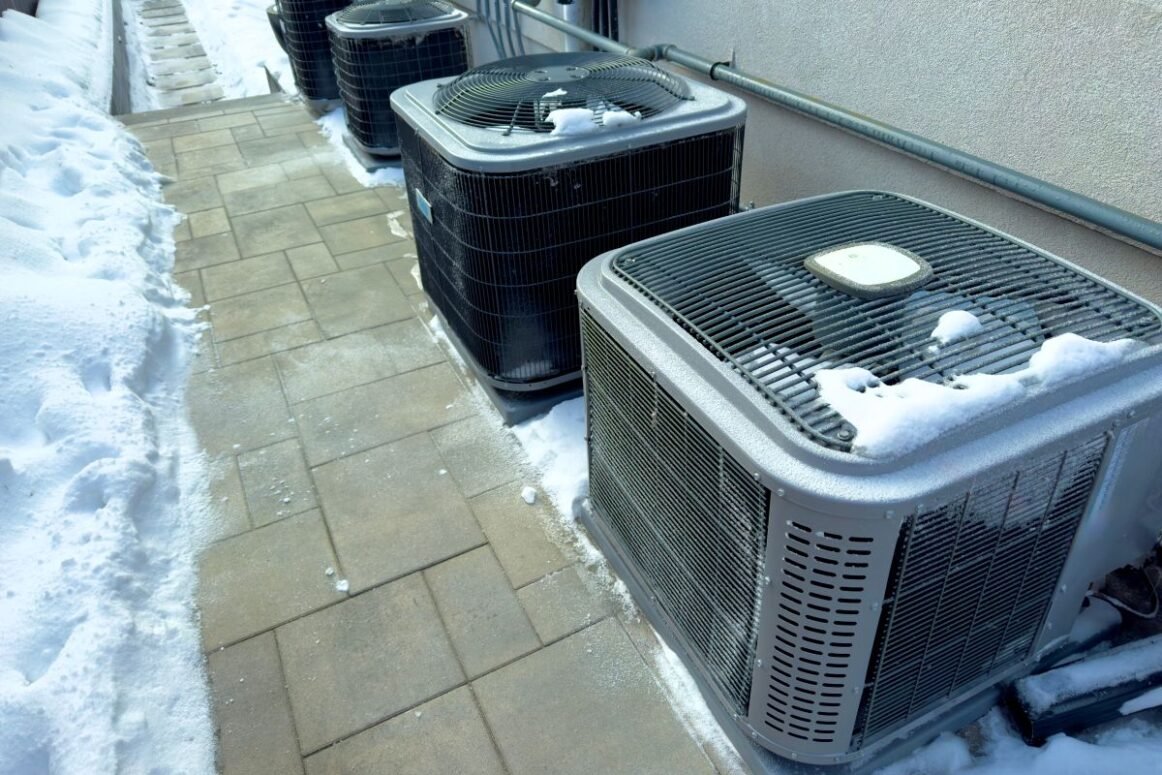
Heat Pump Maintenance: 10-Step Checklist For Peak Performance
If you want year-round comfort without high energy bills, consistent heat pump maintenance is the key. Your system works hard through both summer heat and winter chill, and just like any hardworking machine, it needs occasional care to stay efficient. Whether you’re keeping things cool or cozy in Kennesaw and surrounding areas, smart upkeep can help your unit perform better and last longer. If it’s been a while since your system was checked, this is a good time to explore your options for reliable service and seasonal upkeep that prevent costly breakdowns.
Here’s what you’ll learn in this guide:
- Why maintaining your heat pump matters
- A simple step-by-step checklist for better efficiency
- Pro tips to boost system lifespan and reduce wear
- What to do yourself vs when to call a technician
Why Heat Pump Maintenance Makes a Big Difference
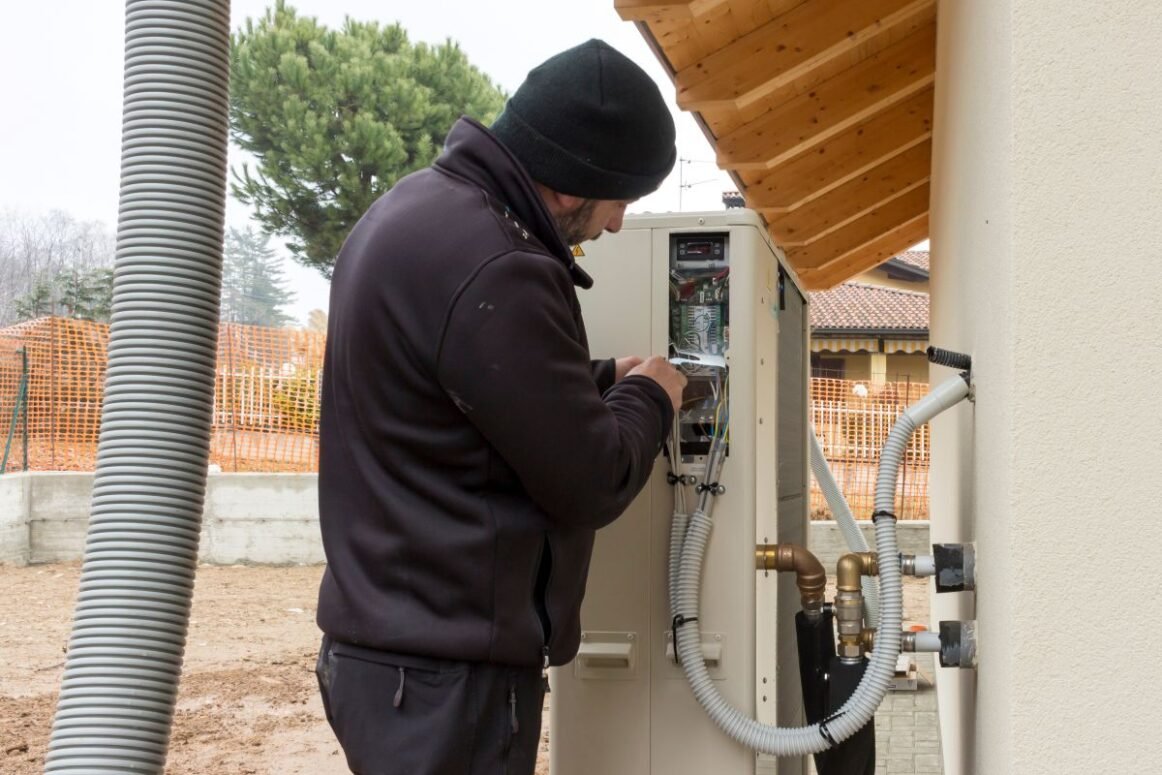 Heat pumps are energy-efficient, versatile systems — but only if they’re properly maintained. Because they heat and cool your home, they operate all year long. Without regular tune-ups, they can lose efficiency, wear down faster, or even fail when you need them most.
- Energy Efficiency: A well-maintained heat pump uses 10–25% less energy than a neglected one.
- Year-Round Comfort: Regular service ensures smooth switching between heating and cooling modes.
- Fewer Repairs: Routine maintenance helps detect small issues before they turn into expensive breakdowns.
- Longer Lifespan: Clean coils, lubricated parts, and tight electrical connections help extend your unit’s service life.
- Better Air Quality: Clean filters and components help reduce dust, allergens, and indoor air pollutants.
10-Step Heat Pump Maintenance Checklist
If you’re looking to take better care of your HVAC system in Kennesaw and surrounding areas, this checklist covers the essential steps. Some tasks you can handle on your own. Others are best left to an experienced technician.
1. Check and Replace Air Filters
Your air filter helps protect your heat pump from dirt and debris. When clogged, it restricts airflow, reducing efficiency and straining your system.
- Check filters monthly during peak seasons
- Replace every 1–3 months, depending on usage and household conditions
- A clean filter improves airflow and lowers energy use
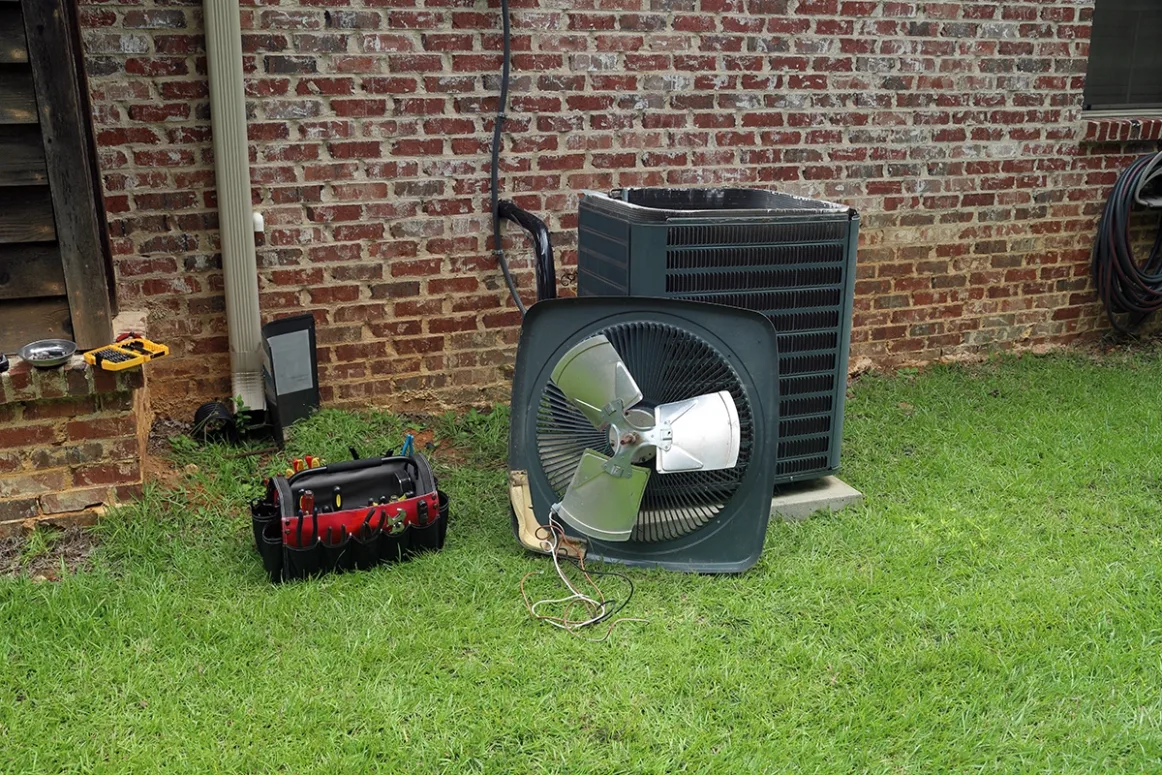
2. Clean the Outdoor Unit
Leaves, twigs, pollen, and grass clippings can collect around your outdoor condenser unit. Blocked airflow makes the system work harder and less effectively.
- Clear at least 2 feet of space around the unit
- Gently rinse the unit with a garden hose (avoid high pressure)
- Remove visible debris inside the housing if accessible
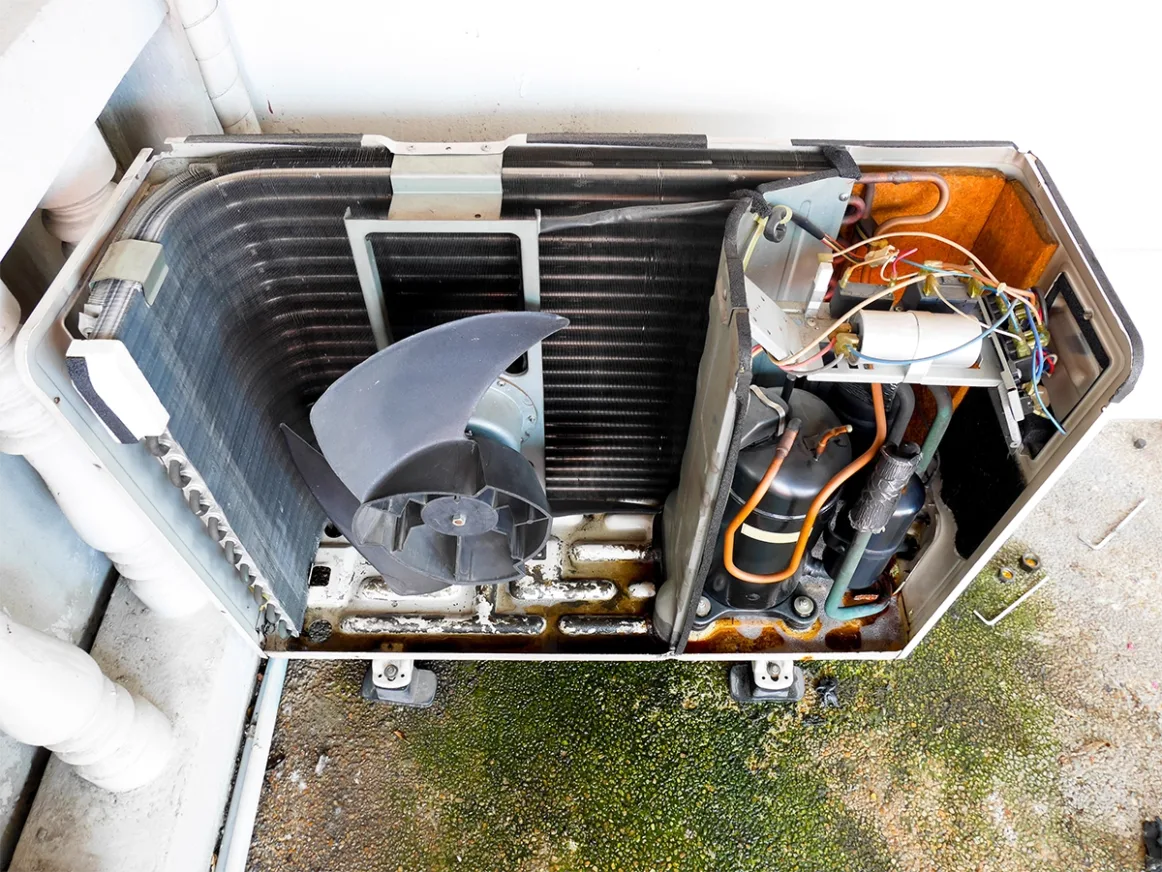
3. Inspect and Clean Coils
Dirty coils reduce your system’s ability to transfer heat. That means lower efficiency and longer run times.
- Evaporator and condenser coils should be cleaned annually
- DIY coil cleaner is available, but professional cleaning is safer and more thorough
4. Check for Refrigerant Leaks
Low refrigerant levels are a major problem. Not only do they reduce efficiency, but they can also damage your compressor over time.
- Signs of a leak include frozen coils, bubbling/hissing sounds, and reduced cooling
- Only licensed HVAC technicians can check refrigerant levels and recharge safely
5. Clean and Adjust the Thermostat
Make sure your thermostat is functioning accurately and is programmed properly for your heating and cooling needs.
- Dust the unit and ensure it’s level
- Consider upgrading to a programmable or smart thermostat for better control
6. Inspect Ductwork for Leaks or Blockages
Leaky ducts can reduce your system’s efficiency by up to 30%. They also allow dust and allergens into your airflow.
- Check exposed ductwork in attics or crawl spaces for loose joints
- Use mastic sealant or metal tape for small leaks
- Professional duct inspections are recommended every few years
7. Test System Controls and Startup Cycle
Your system should start, operate, and shut off smoothly. If it short cycles or struggles to turn on, there could be an electrical or control issue.
- Turn your system on and listen for unusual noises
- Make sure the fan and compressor run as expected
- Irregular operation means it’s time to call a technician
8. Lubricate Moving Parts
Friction from unlubricated motors and fans can increase energy use and wear out your system faster.
- Technicians will lubricate motors and bearings during routine maintenance
- Unusual sounds like squealing or grinding could signal dry parts
9. Inspect Electrical Connections
Loose or corroded wires can cause system failure or become fire hazards.
- Only trained professionals should test voltage and tighten connections
- Annual checks help prevent electrical shorts or safety risks
10. Schedule Seasonal Maintenance
The best way to protect your heat pump is with professional tune-ups in spring and fall. This ensures your system is ready before peak heating or cooling seasons.
- Technicians will perform all technical tasks and safety checks
- Many companies offer affordable maintenance plans with added benefits
DIY Maintenance Tips Between Professional Visits
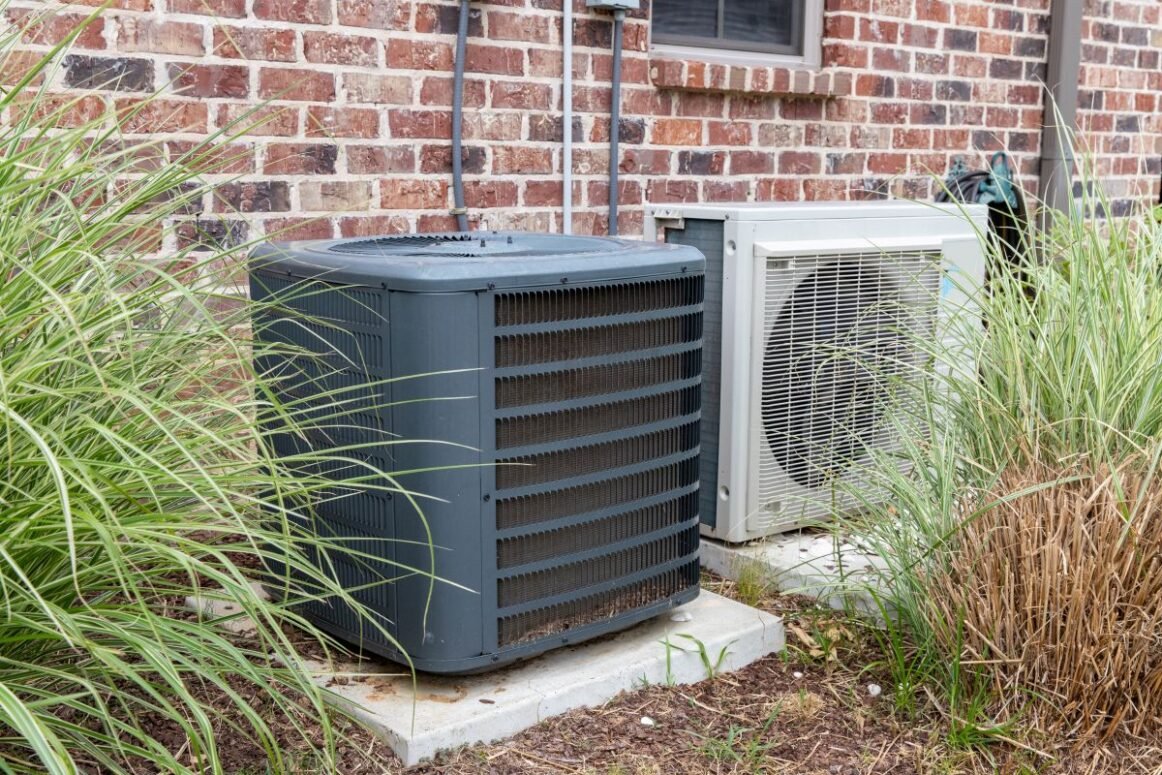 Routine professional service is crucial, but there are also easy steps you can take between visits to help your system run efficiently.
Keep Registers and Vents Clear
- Don’t block vents with rugs or furniture
- Vacuum regularly to prevent dust buildup
- Make sure all registers are open to support airflow
Trim Plants and Shrubs Around the Outdoor Unit
- Maintain a 2–3 foot clearance
- Avoid stacking tools or decorations on top of the unit
- Remove grass clippings and leaves after mowing
Listen and Smell for Warning Signs
- Grinding, buzzing, or rattling sounds can signal motor or electrical problems
- Musty or burning odors may mean moisture or overheating
- Don’t ignore changes in performance or smell — they often get worse
Check the Condensate Drain
- A clogged drain can cause water leaks or humidity issues
- Look for standing water around the indoor unit
- Flush the drain line with a mix of vinegar and water if needed
Heat Pump Maintenance vs Other HVAC Systems
Heat pumps differ from traditional furnaces and AC units in several key ways. Here’s how their maintenance needs compare.
| System Type | Service Frequency | Seasonal Use | Key Maintenance Focus |
| Heat Pump | 2x/year (spring and fall) | Year-round | Coils, refrigerant, airflow, controls |
| Central AC + Furnace | 1x/year each (spring + fall) | Seasonal | Furnace: ignition & safety; AC: coils |
| Mini-Split (Ductless) | 1–2x/year | Year-round | Filters, coils, indoor blower units |
Because heat pumps work harder overall, they typically need more frequent attention than standard seasonal systems. Skipping maintenance often leads to early component wear or loss of efficiency.
When to Call a Professional in Kennesaw and Surrounding Areas
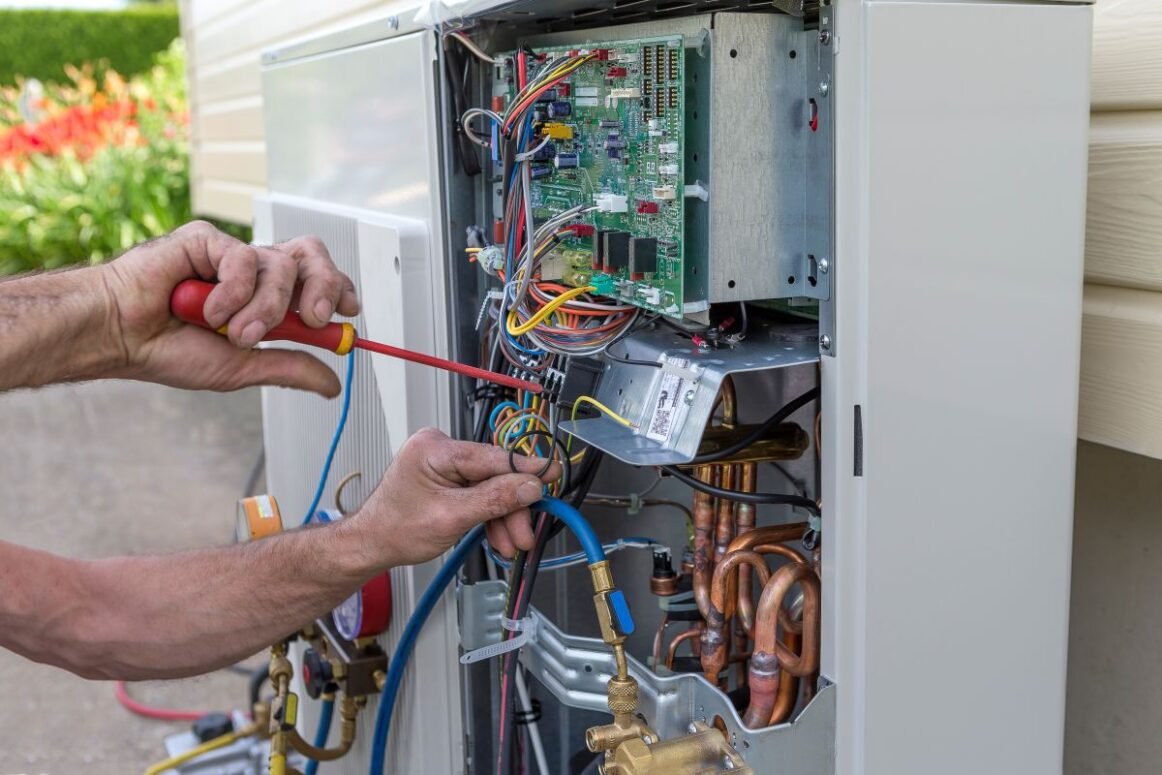 Some maintenance tasks are simple enough to do on your own, but others should always be left to a certified technician. Here’s when to bring in the pros:
- If you notice ice buildup on coils or refrigerant lines
- If your system makes loud or strange noises
- If your energy bills are rising without increased use
- If the heat pump struggles to switch modes or maintain temperature
- If it’s been over a year since your last service appointment
Local homeowners in Kennesaw and surrounding areas benefit from seasonal tune-ups that catch small issues early and help extend system lifespan. At Russell Heating & Air, our technicians are trained to service all major makes and models, whether your heat pump is older or brand new.
Invest in Long-Term Comfort With the Right Heat Pump Care
Heat pump maintenance isn’t just a seasonal chore — it’s a smart investment in comfort, savings, and system longevity. With consistent attention to cleaning, airflow, and electrical safety, your HVAC system can perform better and last longer. From fewer emergency calls to lower energy bills, the benefits are clear.
If you’re not sure when your heat pump was last inspected, or if you want peace of mind heading into the next season, contact us today to schedule a visit. Russell Heating & Air proudly serves homeowners in Kennesaw and surrounding areas with fast, friendly, and thorough HVAC support to keep your home comfortable all year long.