
Furnace Smells Like Burning: 7 Common Causes And What To Do
If your furnace smells like burning, it’s a warning sign you shouldn’t ignore. Whether you’re firing up the heat for the first time this season or it happens mid-winter, certain odors can point to normal operation — or to something far more serious. To stay safe and avoid system damage, it’s important to know what these smells mean and when to take action. If you’re dealing with heating issues in Woodstock and surrounding areas, it might be time to explore routine maintenance or professional repair options that help keep your system running smoothly.
Here’s what you’ll take away from this guide:
- What different burning furnace smells might indicate
- 7 of the most common causes behind the odor
- Immediate steps to take for safety and comfort
- Preventive maintenance tips to avoid future issues
Why You Should Never Ignore a Burning Smell From Your Furnace
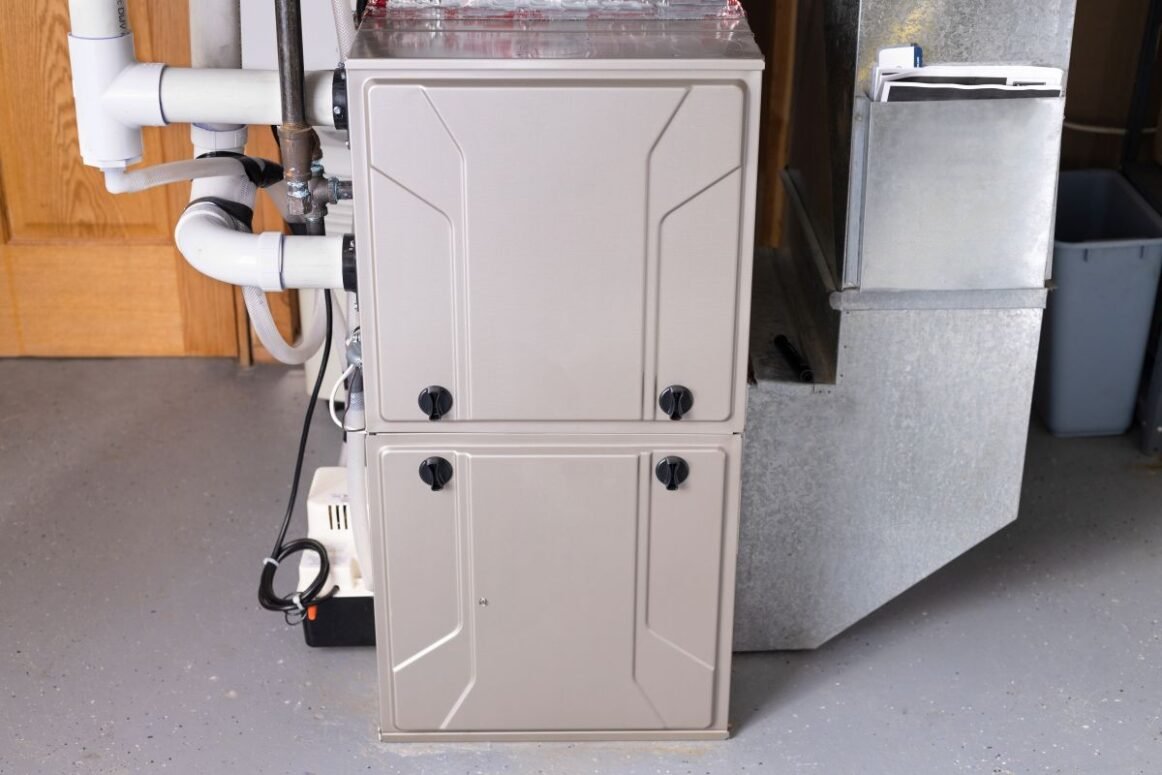 A burning odor coming from your furnace isn’t always an emergency, but it’s never something to overlook. Even if it seems minor, it could point to airflow problems, overheating parts, or electrical faults.
- Protect Your Safety: Some smells signal electrical problems or combustion issues that could lead to fires or carbon monoxide leaks.
- Avoid Expensive Repairs: Small issues can become major if ignored. Prompt action helps prevent component failures.
- Improve Efficiency: Restricted airflow or clogged filters force your system to work harder, wasting energy and raising bills.
- Maintain Healthy Air: Odors from burning dust, debris, or wiring can lower indoor air quality and aggravate allergies.
- Extend System Lifespan: Addressing problems early helps your furnace last longer and run more reliably over time.
7 Common Causes of a Burning Smell From Your Furnace
There are several reasons your furnace might produce a burning smell, ranging from harmless to hazardous. Here are the most frequent culprits homeowners in Woodstock and surrounding areas encounter.
1. Dust Buildup After Long Disuse
When your furnace sits idle for months, dust settles on the burners and heat exchanger. Once the system turns on, that dust burns off — releasing a temporary burning smell.
- This is normal during the first use of the season.
- The smell should disappear within 30 to 60 minutes.
- If it lasts longer, your system may need cleaning.
2. Dirty or Clogged Air Filter
Air filters trap dust and debris to protect your system. When they get clogged, it restricts airflow and causes components to overheat.
- Replace filters every 1–3 months.
- A clogged filter can produce a hot or burning plastic smell.
- Poor airflow can also lead to short cycling and reduced heat output.
3. Overheating Blower Motor
If the blower motor struggles to circulate air, it can overheat and emit a strong electrical or rubbery burning smell. This may be caused by:
- Dust buildup on motor components
- Failing bearings or belts
- Lack of lubrication
You may also hear loud humming or grinding. Shut the furnace off and call a technician.
4. Electrical Issues or Short Circuits
A metallic or ozone-like burning smell may indicate electrical trouble. Possible sources include:
- Frayed wires
- Melted insulation
- Faulty control board or relays
Important: If you suspect an electrical problem, turn off the furnace at the breaker and contact a licensed HVAC technician immediately. These issues are serious fire hazards.
5. Foreign Objects in the Ductwork
Sometimes, toys, paper, plastic wrappers, or pet hair find their way into floor vents. When air starts flowing, these materials may heat up or melt, creating a sharp burning plastic odor.
- Inspect vents for visible debris.
- Keep furniture and clutter away from registers.
- Consider professional duct cleaning to remove hidden objects.
6. Oil or Gas Combustion Smells
If you have an oil furnace, a smoky or fuel-like smell may signal poor combustion or a blocked flue pipe. In natural gas systems, it may point to burner issues or delayed ignition.
- These are not normal smells during operation.
- Poor combustion can release dangerous gases like carbon monoxide.
- Install CO detectors and have your furnace inspected if you notice these odors.
7. Cracked Heat Exchanger
A cracked heat exchanger is one of the most dangerous furnace problems. It can produce a chemical or burning smell and allow carbon monoxide to leak into your home.
Signs of a cracked heat exchanger:
- Yellow or flickering burner flame
- Soot buildup around the furnace
- Headaches or dizziness while the heat is on
Turn off your furnace and call a professional immediately if you suspect this issue.
What To Do When Your Furnace Smells Like Burning
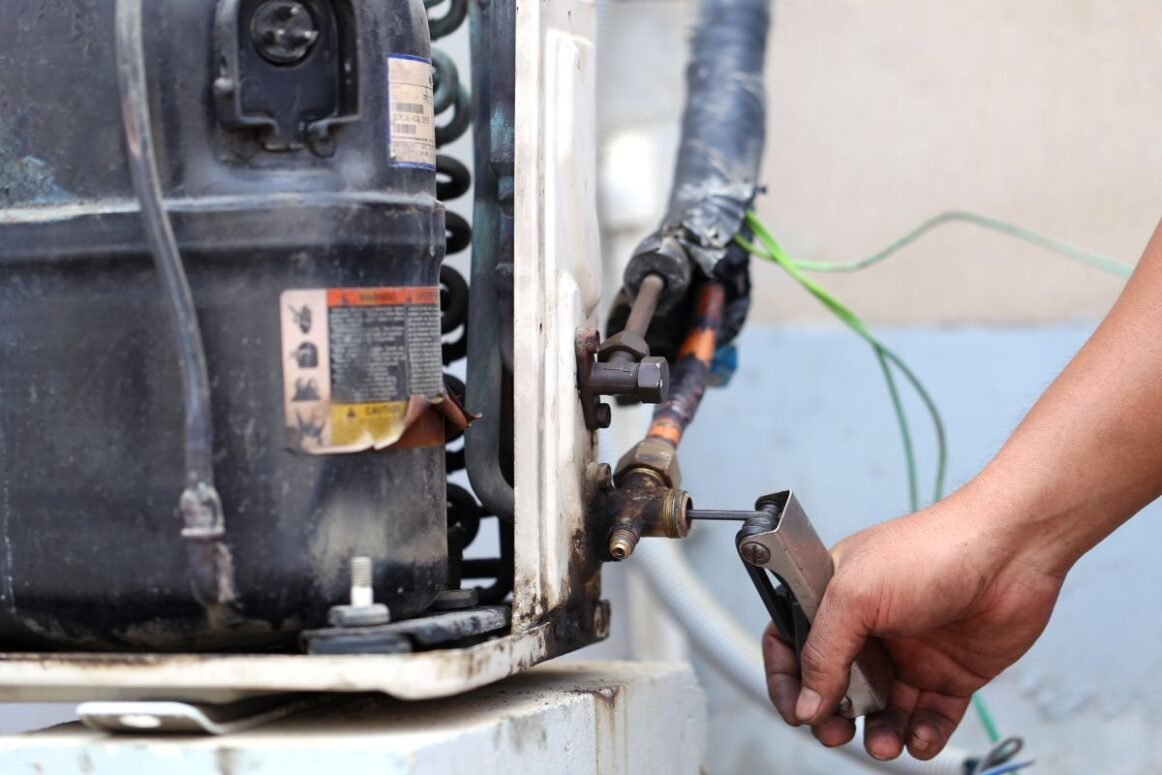 When you notice a burning smell, stay calm but act quickly. Taking the right steps early can protect your family, your equipment, and your wallet.
Step 1: Turn Off the Furnace
If the smell is strong or unusual, turn off the system at the thermostat. For added safety, shut off the power at the breaker too. This prevents further damage and reduces fire risk.
Step 2: Check the Air Filter
Pull out the air filter and inspect it. If it’s visibly dirty or clogged, replace it with a clean one. Be sure to install it in the correct direction and size.
- A fresh filter improves airflow.
- It reduces stress on your furnace.
- It helps trap odor-causing particles.
Step 3: Ventilate the Area
Open windows and doors to allow fresh air in and odors out. Good ventilation also helps prevent the buildup of fumes or carbon monoxide inside your home.
Step 4: Inspect Vents and Registers
Walk through your home and check all supply and return vents. Look for:
- Foreign objects inside the registers
- Furniture or rugs blocking airflow
- Black soot or melted material near the openings
Clear any obstructions and keep vents fully open to support healthy airflow.
Step 5: Contact a Licensed HVAC Technician
If the smell persists, smells chemical or electrical, or returns after replacing your filter, it’s time to call in a pro. A qualified technician can:
- Check electrical components and wiring
- Inspect the heat exchanger and burners
- Clean and lubricate moving parts
- Test carbon monoxide levels
This kind of preventive care is key to a safe, long-lasting furnace.
Tips to Prevent Furnace Smells in the Future
Keeping your furnace clean and running well helps prevent odors and surprises. Here’s how to stay ahead of the issue year-round.
- Change Filters Regularly: A clogged filter is one of the leading causes of furnace odors. Check monthly and replace as needed.
- Schedule Annual Maintenance: A professional inspection helps catch dust buildup, failing components, and combustion issues before they become problems.
- Clean Ductwork Every Few Years: Duct cleaning removes debris that can overheat and smell when the heat kicks on.
- Keep Vents Clear: Don’t block vents with furniture or cover them with rugs. Free airflow supports even heating and safer operation.
- Store Safely Around the Furnace: Keep flammable materials, boxes, and chemicals at least three feet away from your unit.
Smell Comparison Table: What’s Normal, What’s Not
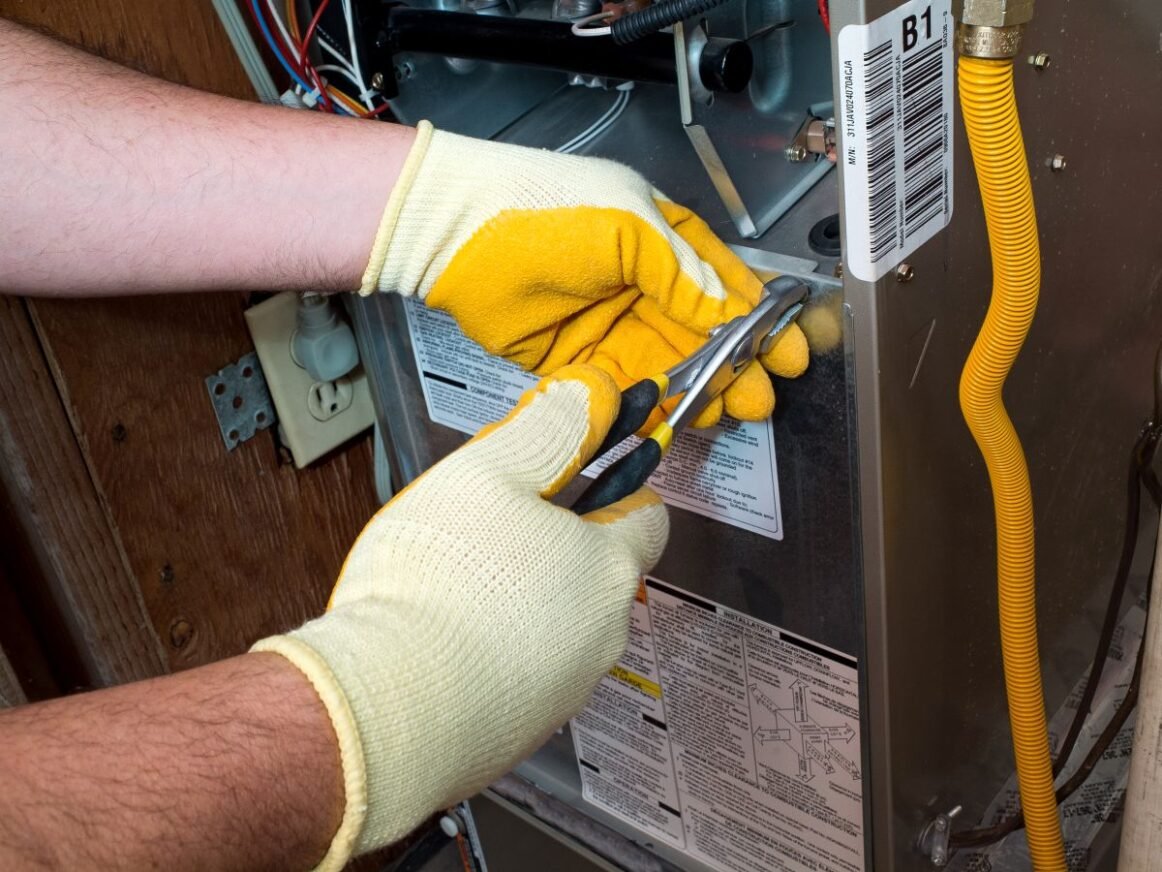 Use the table below to help determine if the smell from your furnace is harmless or cause for concern.
| Smell Description | Likely Cause | Is It Normal? | What To Do |
| Dusty or Musty | First use of the season | Yes, short-term | Let it run; ventilate space |
| Burning Plastic | Foreign object or overheating part | No | Shut off system; call technician |
| Electrical or Metallic | Wiring or motor issues | No | Turn off immediately; call for help |
| Smoky or Fuel-Like | Poor combustion | No | Ventilate and schedule inspection |
| Chemical or Sharp Odor | Cracked heat exchanger | No — potentially dangerous | Shut down system and seek service |
Heating Help for Woodstock and Surrounding Areas
Furnace smells aren’t something to take lightly — especially during Georgia’s unpredictable winter swings. Whether your system just kicked on for the first time or something doesn’t smell quite right mid-season, it’s always better to investigate early.
Homeowners in Woodstock and surrounding areas trust Russell Heating & Air for fast, honest, and thorough HVAC solutions. From clogged filters to cracked heat exchangers, our team is ready to handle any heating issue with care and professionalism.
If your furnace smells like burning and you’re unsure what to do next, don’t wait for it to get worse — contact us today to schedule a diagnostic visit. Russell Heating & Air is here to help you stay safe, comfortable, and warm all season long.