

Best Furnace Filters for Clean Air & Efficiency
When it comes to keeping your home comfortable and your indoor air clean, few components are more important than your furnace filter. The best furnace filters not only keep your heating system running efficiently but also trap dust, allergens, and pollutants that can affect your family’s health. Many homeowners in Canton and surrounding areas don’t realize how much their furnace filter impacts their air quality and energy costs. The right filter ensures your air stays fresh, your system performs smoothly, and your monthly bills stay under control. And if it’s time for a replacement or system tune-up, take a look at this heating service page to learn how a professional can help your system breathe easier.
In this guide, you’ll learn:
- What makes a good furnace filter
- The differences between common filter types
- How to choose the right option for your home
- Maintenance steps that protect your system
- When to replace or upgrade your filter
Why Choosing the Right Furnace Filter Matters
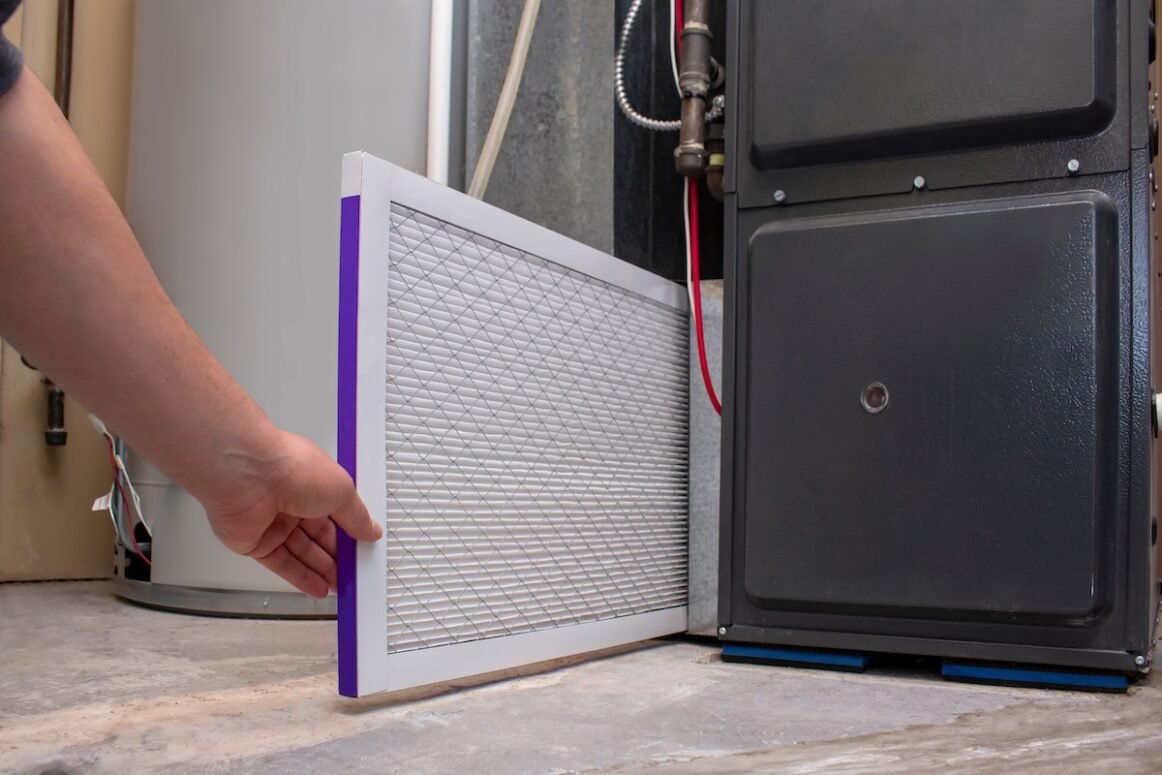
Your furnace filter isn’t just a simple screen—it’s one of the most important parts of your HVAC system. The right filter traps contaminants before they circulate through your home and keeps your furnace free from dirt and dust that cause premature wear.
Here’s why this choice matters more than you might think:
- Healthier Air: A good filter removes airborne irritants like pollen, dander, and mold, helping your family breathe easier—especially during allergy season.
- Improved Efficiency: A clean, high-quality filter maintains steady airflow, reducing strain on your furnace and helping it heat your home more efficiently.
- Lower Costs: Better airflow means lower energy bills and fewer repair calls.
- System Protection: Filters prevent dust buildup on key components like blowers and coils, extending the lifespan of your system.
- Consistent Comfort: With the right filter, air moves evenly throughout your home—no more hot or cold spots.
Types of Furnace Filters (and Which One Fits Your Home)
There’s no one-size-fits-all answer when it comes to choosing a furnace filter. The right option depends on your system, lifestyle, and air quality needs. Let’s look at the most common types.
Fiberglass Filters
Fiberglass filters are the most basic and affordable option. Made from layered fiberglass fibers, they’re designed mainly to protect your furnace from large dust particles—not to purify indoor air. While these filters work fine in low-dust environments, they do little for allergy relief or fine particle capture. They also require monthly replacement.
Best for: Budget-conscious homeowners or rental properties needing basic furnace protection.
Pleated Filters
Pleated filters use folds of cotton or polyester to trap smaller particles like pet dander, dust mites, and mold spores. Their larger surface area improves both performance and airflow balance. These filters are available in multiple MERV ratings (explained below) and usually last 60–90 days. They’re ideal for homes where air quality matters but budget is still a concern.
Best for: Families with pets or mild allergies who want a balance between cost and clean air.
Electrostatic Filters
Electrostatic filters use static electricity to attract and capture airborne particles. They’re highly effective at removing fine dust, smoke, and bacteria. Many versions are washable and reusable, making them a more eco-friendly long-term investment. However, they do require regular cleaning to maintain performance.
Best for: Homes with pets, smokers, or residents with mild to moderate allergies.
HEPA Filters
High-Efficiency Particulate Air (HEPA) filters are the top performers in filtration. They capture up to 99.97% of microscopic particles—including bacteria and viruses. However, not every system can handle them. HEPA filters can restrict airflow if your furnace isn’t designed for high-resistance filters, so consult a professional before upgrading.
Best for: Households where allergy, asthma, or respiratory health is a priority.
Washable Filters
Washable filters last for years and can be cleaned with water, making them cost-effective over time. They’re typically made from metal mesh or foam. While great for long-term savings, washable filters don’t trap smaller particles as effectively and require consistent cleaning to avoid mold growth.
Best for: Eco-conscious homeowners looking for a reusable solution.
5 Steps to Choose the Right Furnace Filter for Your Home
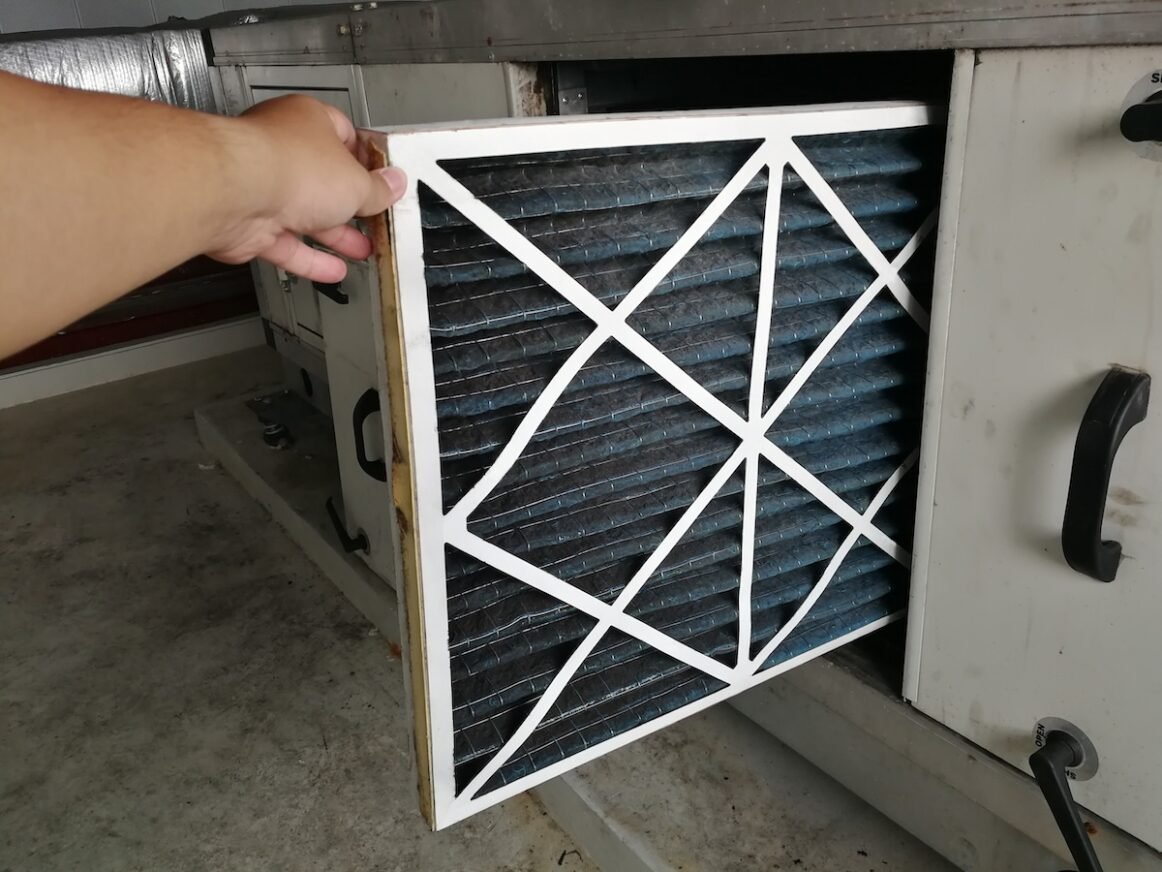
Now that you know the types, let’s walk through the key steps to choosing the right filter. Each of these plays an important role in performance, comfort, and system longevity.
1. Understand MERV Ratings
MERV stands for Minimum Efficiency Reporting Value—a scale from 1 to 16 that rates how well a filter captures airborne particles. The higher the rating, the finer the particles it traps.
- MERV 1–4: Captures dust, lint, and large debris — ideal for basic home protection and systems where airflow is the main priority.
- MERV 5–8: Traps mold spores, pet dander, and pollen, making it suitable for most standard homes with typical air quality concerns.
- MERV 9–12: Filters out finer dust, smoke particles, and some bacteria, providing cleaner air for homes with allergy or asthma sensitivities.
- MERV 13–16: Captures viruses and microscopic contaminants, offering hospital-grade filtration for specialized environments or homeowners seeking the highest indoor air quality.
Understanding the MERV scale is essential for choosing the filter that best supports your family’s health without unnecessarily restricting airflow in your system. By selecting the correct rating—one that addresses your home’s specific contaminants while remaining compatible with your furnace—you can significantly improve indoor air quality and maximize your unit’s performance. For a more detailed explanation that maximizes your understanding and filter choice, read our article on what a MERV rating is for your home and air quality.
Keep in mind: Most homeowners in Canton and surrounding areas find that MERV 8–12 offers the perfect balance between clean air and efficient airflow.
2. Match the Filter Size Exactly
Filters that are too small or too loose allow air—and contaminants—to bypass the filter entirely. Always check your existing filter’s label for its exact dimensions, and make sure the replacement fits snugly into its slot. A filter that’s too thick or dense can restrict airflow and overwork your furnace, reducing its lifespan and efficiency. When in doubt, have a HVAC technician confirm the proper size and fit.
3. Consider Your Household’s Lifestyle and Needs
Every home is different, and your filter should reflect that.
- Pets: Pet hair and dander require filters with higher MERV ratings or pleated designs.
- Allergies or Asthma: Choose a HEPA or electrostatic filter for optimal particle removal.
- Smokers: Filters with activated carbon help absorb odors and smoke.
- Large Families: More foot traffic means more dust—replace filters more often.
Lifestyle and environment play a huge role in how often filters clog, so adjust your replacement schedule based on your household’s habits.
Maintaining the right filter and replacing it regularly based on your home’s unique needs is one of the easiest, yet most critical, steps you can take to protect your HVAC system. Proper and consistent filter replacement directly prevents strain on your blower motor, helps maintain efficiency, and ensures your unit operates smoothly for years to come. To better understand how proper maintenance impacts your investment you can find more detailed information on how long a furnace lasts.
4. Replace Filters on Time
Even the best filter stops working once it’s clogged. For most homes, that means replacing filters every 1–3 months. Some pleated or electrostatic filters last up to six months, but always check manufacturer recommendations. If you notice increased dust buildup, weaker airflow, or unusual furnace noises, your filter likely needs attention sooner.
5. Confirm System Compatibility
Not every furnace can handle high-efficiency or thick filters. Installing the wrong kind can restrict airflow, leading to higher energy costs and possible system damage. Before making major upgrades—like switching to HEPA or high-MERV filters—schedule a quick professional inspection to ensure your HVAC system is equipped to handle the change safely and efficiently.
Enhancing Indoor Air Quality Beyond the Filter
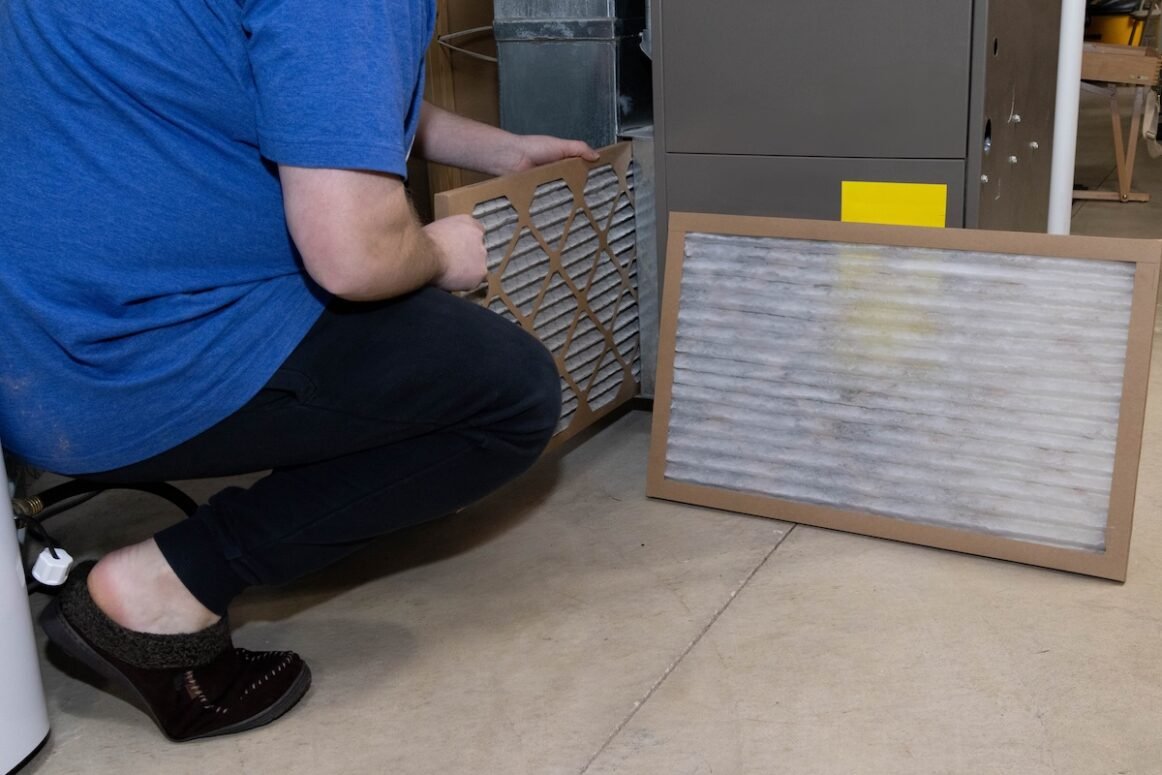
Your furnace filter is a great first line of defense, but other factors also affect your home’s air quality. Here’s how to take your clean-air efforts even further.
Professional HVAC Maintenance
Even the highest-quality filter can’t compensate for a neglected system. Regular furnace tune-ups help ensure that airflow, duct sealing, and overall performance remain strong. HVAC professionals also catch problems early—like leaky ducts or a struggling blower motor—that could undo your filter’s hard work.
Humidity Management
Proper humidity levels (30–50%) help reduce allergens and static electricity while preventing overly dry air during winter. Whole-home humidifiers and dehumidifiers can maintain ideal conditions automatically, keeping your family comfortable and your air healthier.
Duct Cleaning and Sealing
Dust, pollen, and debris can settle inside your ductwork, especially if filters are neglected. Regular duct cleaning and sealing eliminate these buildup points and improve overall efficiency. It’s a smart investment for older homes or those with pets.
Air Purifiers and UV Systems
Air purifiers and UV light systems add another layer of defense by neutralizing bacteria, viruses, and odors that standard filters can’t capture. Combined with a good filter, they create a cleaner and safer indoor environment—perfect for families who want the purest air possible.
Keep Your Air Clean and Your System Strong
The air inside your home affects your comfort, your health, and your heating bills. By using the best furnace filters for your system, you’ll enjoy cleaner air, greater efficiency, and fewer maintenance headaches. Maximizing efficiency is key to saving money, and if you are concerned about long-term savings or are already noticing skyrocketing bills from an older system, you may find our comprehensive guide to furnace replacement cost helpful in planning your next steps.
If you’re unsure which filter fits your furnace or want to upgrade your home’s air quality, don’t hesitate to contact us today. Our expert technicians proudly serve Canton and surrounding areas, providing trusted advice, quality installation, and year-round comfort you can rely on. When it comes to clean air and reliable heating—relax knowing it’s done right.