
How Often to Change Air Filter for Best Air Quality
If you’ve ever wondered how often to change air filter systems in your home, you’re not alone. It’s one of the most common maintenance questions we hear from homeowners in Roswell and surrounding areas. The truth is, your filter plays a big role in both your indoor air quality and the overall performance of your HVAC system. Changing it regularly can help prevent breakdowns, lower your energy bills, and keep your family breathing cleaner, healthier air. If you’re unsure where to start, one of the best ways to stay on top of this simple task is by pairing it with seasonal HVAC checkups that keep your cooling system in top shape.
Here’s what you’ll learn in this post:
- How often to replace different types of air filters
- What affects your filter replacement schedule
- How clean filters support your health and HVAC system
- Tips to remember when replacing filters throughout the year
Why Regular Filter Changes Really Matter
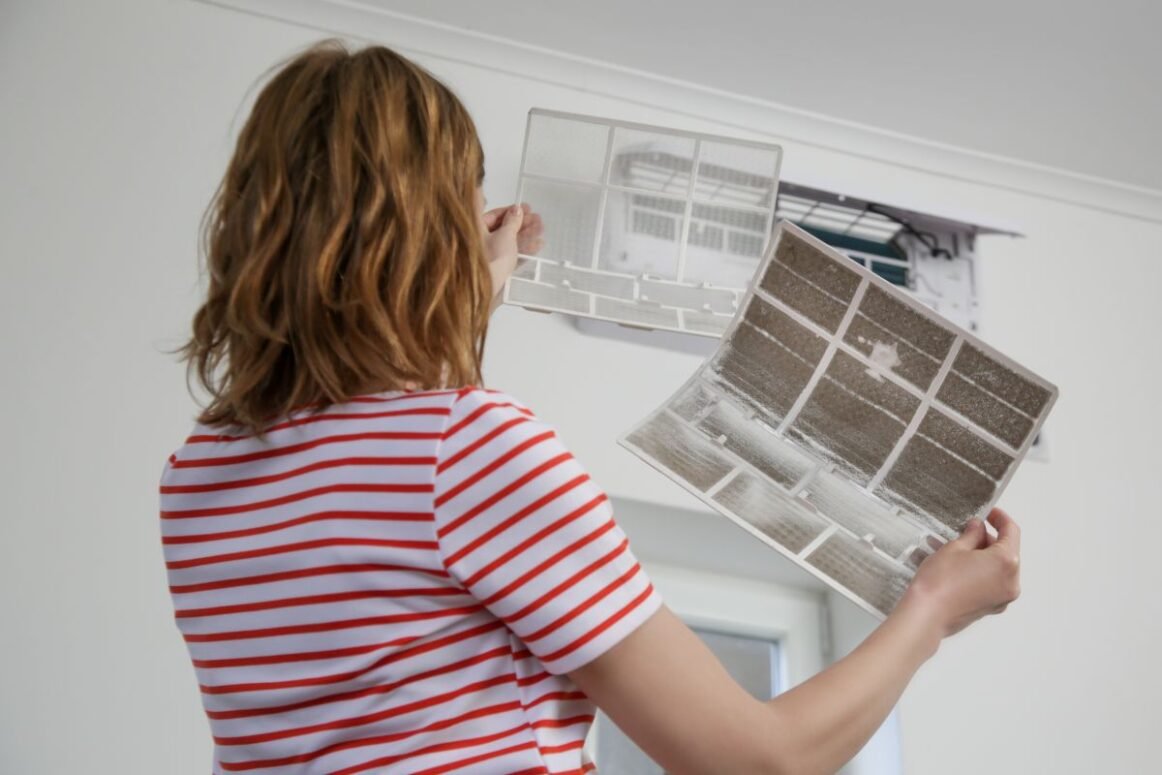
Air filters are your first line of defense against airborne particles that circulate throughout your home. When filters become dirty or clogged, they stop doing their job and start putting strain on your system. Here’s why filter maintenance should never be overlooked:
- Better Indoor Air Quality: Filters trap dust, pollen, pet dander, and even bacteria before they can recirculate through your home.
- Lower Energy Bills: A clean filter allows air to move freely, reducing the amount of energy your system needs to maintain your preferred temperature.
- Longer Equipment Lifespan: Dirty filters force your HVAC system to work harder than necessary, leading to wear and tear on motors, coils, and fans.
- Reduced Repairs: Restricted airflow caused by clogged filters is one of the top reasons for furnace and AC service calls.
- Improved Comfort: Clean filters help maintain even temperatures and more consistent airflow from room to room.
6 Factors That Determine How Often to Change Your Air Filter
There’s no one-size-fits-all answer to how often a filter should be changed. Instead, there are several things to consider based on your home and lifestyle. Here are the most common variables that affect your filter replacement schedule.
1. Filter Type and MERV Rating
Different filters are made for different jobs. The material, thickness, and MERV (Minimum Efficiency Reporting Value) rating all affect how often a filter needs to be replaced.
- Fiberglass filters (MERV 1–4): Replace every 30 days
- Pleated filters (MERV 8–12): Replace every 60–90 days
- High-efficiency filters (MERV 13+): Replace every 3–6 months
- HEPA filters: May last 6–12 months, but often require system compatibility checks
The higher the MERV rating, the smaller the particles it can capture—but these filters also clog faster if your home has heavy dust or pet activity.
2. Pets in the Home
Pet hair and dander build up quickly, especially in homes with multiple animals or breeds that shed frequently.
- One pet: change filter every 60 days
- Two or more pets: every 30–45 days
- Allergy-sensitive households: every 30 days regardless of pet count
Even short-haired pets contribute dander that can clog filters faster than you think.
3. Allergies or Respiratory Conditions
If anyone in your household suffers from asthma, allergies, or other breathing issues, it’s wise to change your filter more frequently.
- Change filters every 30–45 days for best air quality
- Consider upgrading to a higher MERV-rated filter or air purifier
- Monitor symptoms—if allergies improve after a filter change, that’s a good sign it was overdue
Improving air quality has direct benefits for health, particularly during pollen-heavy seasons in Roswell and surrounding areas.
4. HVAC System Usage
How often your system runs also plays a big role in how often to change the air filter.
- Summer and winter (high-use months): every 30–60 days
- Spring and fall (mild weather): every 60–90 days
- Vacation homes or part-time residences: every 3–6 months
If you notice your filter is consistently dirty during peak seasons, shorten the interval between changes.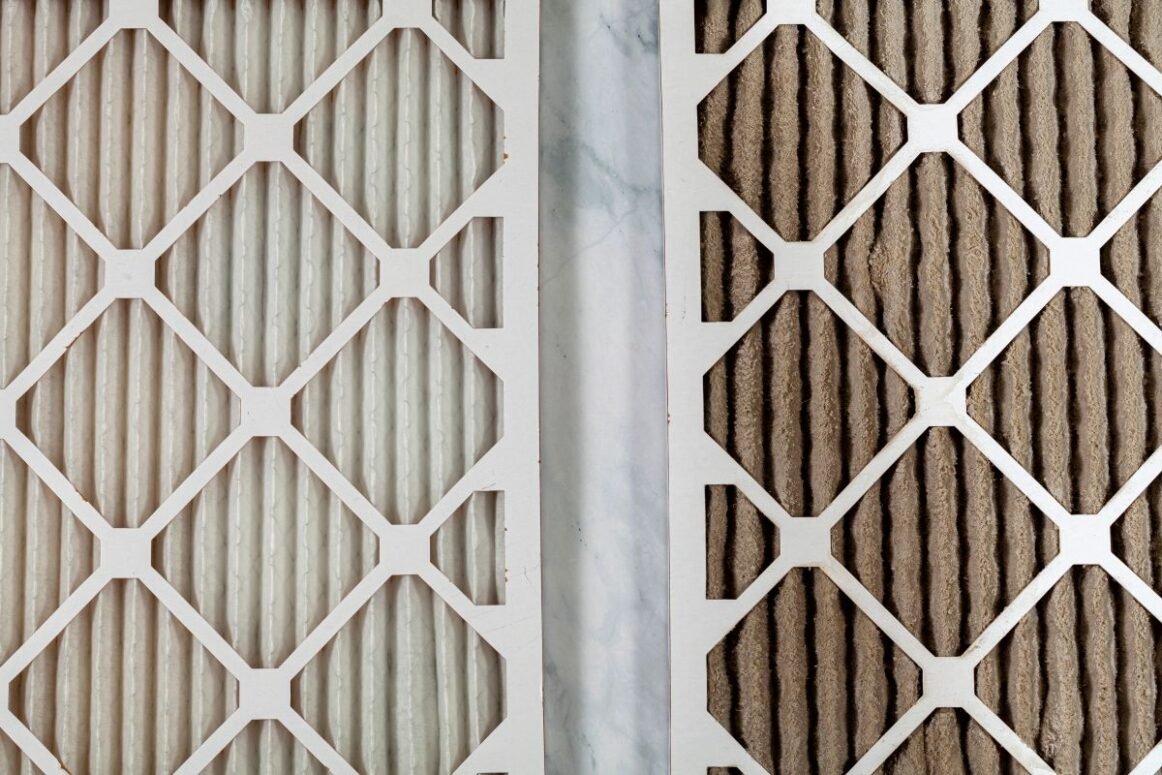
5. Indoor Air Quality and Dust Levels
If your home has frequent construction, lots of visitors, burning candles, or is located in a dusty area, you’ll likely need to change filters more often.
- Regular vacuuming helps reduce dust buildup
- Homes near construction or heavy pollen should expect more frequent replacements
- Dusty furniture or vents are signs your filter is overdue
Look around your vents—if you see buildup, your filter probably needs attention too.
6. Size of the Home and Ductwork
Larger homes tend to have more air circulating, which means filters collect debris faster. Homes with older ductwork may also have more dust and debris making their way into the system.
- Larger homes: filters may need to be changed every 45–60 days
- Older ductwork: schedule regular duct inspections to reduce buildup
For custom systems with multiple zones, each filter may have different maintenance needs.
How to Check and Change Your Filter
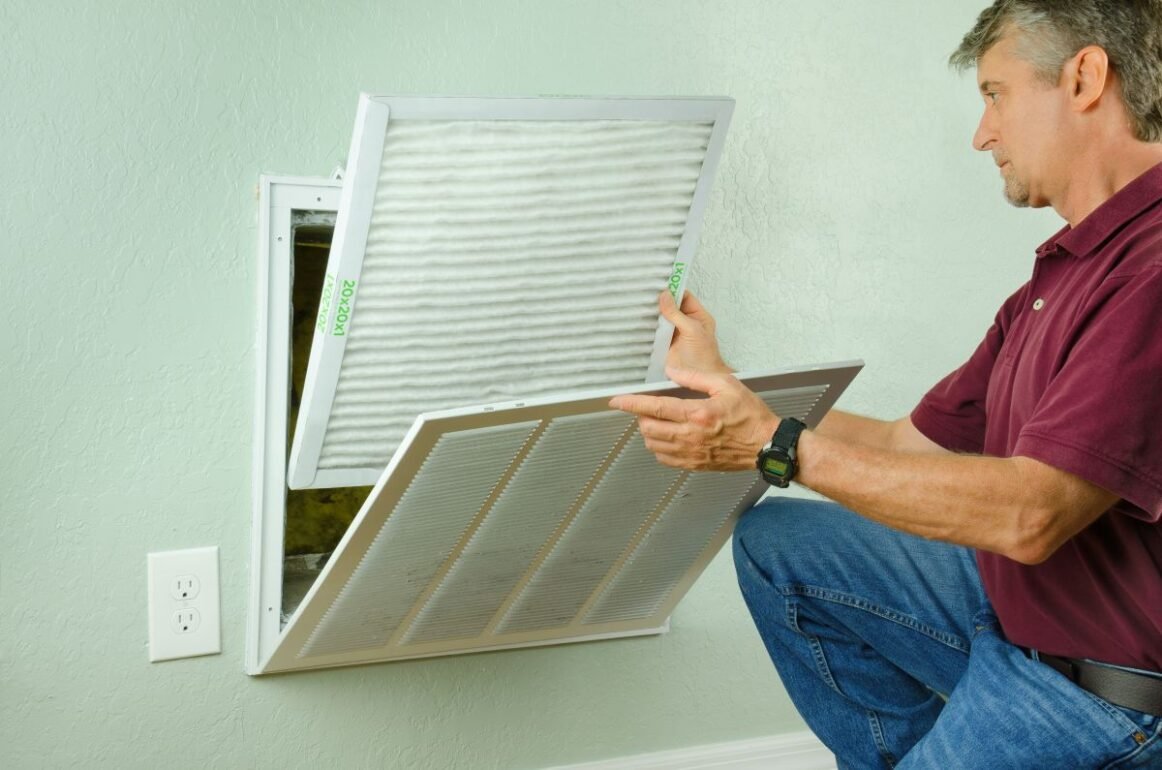
Knowing how often to change your air filter is important, but knowing how to do it correctly is just as vital. The process is typically simple and can be done without tools in most homes.
Locate the Filter
Common filter locations include:
- Behind a return vent grille on a wall or ceiling
- Inside the furnace or air handler unit
- In a filter slot between the return air duct and blower
Check Filter Size
The size will be printed on the filter frame. Common sizes include 16x25x1, 20x20x1, and 20x25x4. Make sure to match it exactly when buying replacements.
Inspect the Filter
Hold the filter up to the light. If you can’t see light through it, it’s time to change it. Also look for:
- Visible dust and debris
- Musty or stale odors near vents
- A gray or brown color instead of white
Install the New Filter
Insert the new filter with the airflow arrows pointing in the same direction as the old one. Ensure it sits flush in the slot with no gaps.
Set a Reminder
Use calendar alerts or smart home apps to remind you to check and replace your filter on schedule.
Comparing Filter Types: Which One Is Right for Your Home?
Choosing the right filter depends on your air quality needs, budget, and HVAC system compatibility. Here’s a quick comparison:
| Filter Type | MERV Rating | Lifespan | Best For |
| Fiberglass | 1–4 | 30 days | Low-traffic homes, basic dust |
| Pleated | 8–12 | 60–90 days | Families, pets, average air needs |
| High-efficiency | 13–16 | 90+ days | Allergy sufferers, heavy use |
| HEPA | 17+ | 6–12 months | Medical needs, air purifiers |
Keep in mind that not all systems can accommodate high-MERV filters. Check your owner’s manual or consult a technician if unsure.
Helpful Tips for Staying on Top of Filter Changes
Staying consistent with filter replacements doesn’t have to be difficult. These habits can make it easy to stay ahead of schedule.
- Write the date on the filter frame before installing
- Buy filters in multi-packs so you always have one on hand
- Change filters with the seasons to align with system tune-ups
- Pair with other monthly tasks like checking smoke alarms or paying bills
- Use a maintenance log or app to track changes and inspections
Consistency is key to getting the most out of your system and improving your indoor air.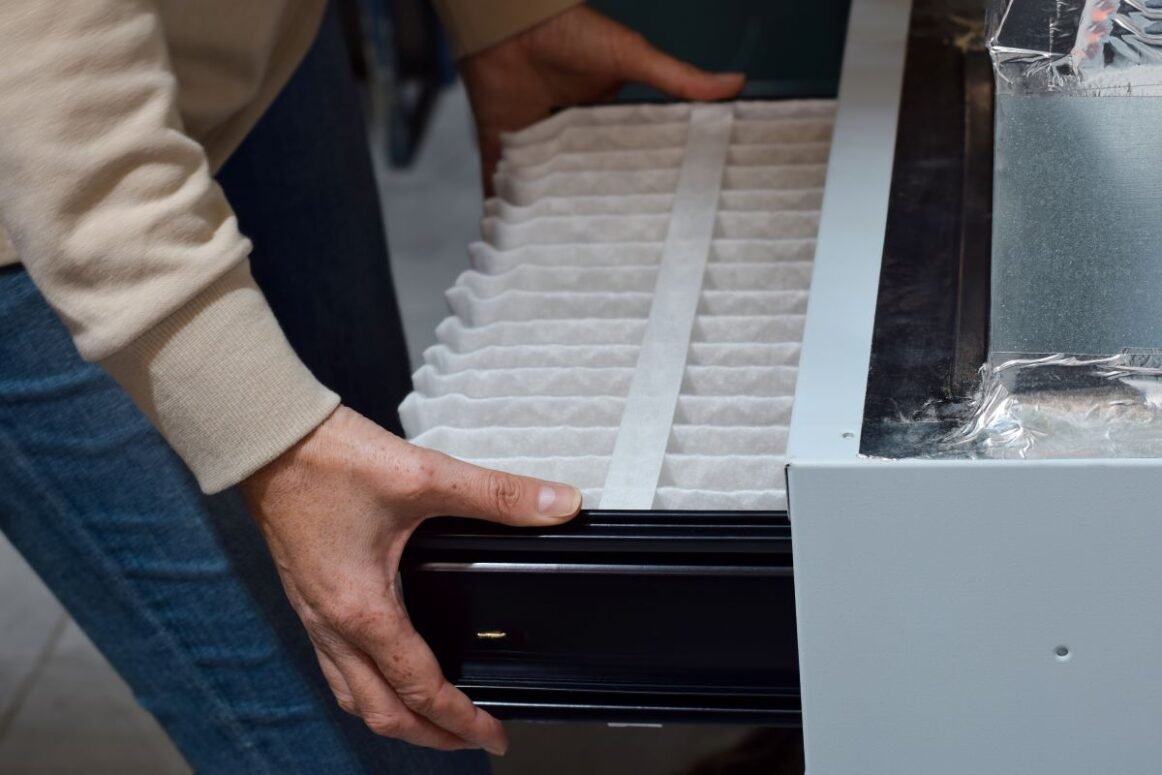
Don’t Let a Dirty Filter Cost You Comfort
Neglecting to change your air filter can lead to more than just dusty air. It reduces efficiency, strains your system, and puts your health at risk—especially in a city like Roswell and surrounding areas where pollen and humidity are common issues. Whether you’re using a standard pleated filter or a high-efficiency model, staying on schedule protects both your air quality and your investment. For questions about which filter to use, or to schedule a system tune-up, contact us today and let Russell Heating & Air help you breathe easier all year long.