
Gas Furnace Not Igniting? 7 Key Troubleshooting Tips
When temperatures drop in Woodstock and surrounding areas, a furnace that won’t kick on is more than an inconvenience—it’s a serious comfort issue. If your gas furnace not igniting has you bundled in blankets or worried about frozen pipes, the good news is there are a few common reasons behind the problem. While some can be resolved with a little homeowner know-how, others require professional attention. If your system hasn’t been serviced in a while, it may also be worth reviewing how to keep it running smoothly all winter by exploring our heating system options.
In this guide, you’ll learn:
- The most common reasons your gas furnace won’t ignite
- How to safely inspect and address minor issues
- When to call in a professional for help
Why Your Furnace Failing to Ignite Is a Big Deal
A furnace that doesn’t ignite isn’t just a heating issue—it can signal underlying mechanical, electrical, or safety concerns that shouldn’t be ignored. Here’s why quick troubleshooting is so important:
- Avoid Prolonged Discomfort: Even a few hours without heat can make your home uncomfortable, especially during a cold snap.
- Prevent Safety Hazards: Ignition issues may indicate gas flow or combustion problems that can pose serious risks if left unchecked.
- Limit Damage to Your System: Trying to run a failing furnace repeatedly may strain the components and lead to more expensive repairs.
- Protect Pipes and Property: Prolonged loss of heat in winter can lead to frozen pipes or moisture damage.
- Restore Energy Efficiency: A properly functioning furnace burns cleaner, heats more consistently, and costs less to operate.
7 Common Reasons a Gas Furnace Won’t Ignite
Several common issues can cause a gas furnace to stop igniting. Some are simple fixes, while others may require a technician.
1. Thermostat Settings Are Incorrect
Start with the easiest fix: check your thermostat. If it’s not calling for heat, your furnace won’t try to ignite at all.
- Make sure it’s set to “Heat”
- Ensure the temperature setting is above the current room temperature
- Check if the batteries need replacing (for non-wired models)
Sometimes, simply resetting the thermostat can prompt your system to start again.
2. Furnace Power or Gas Supply Is Disrupted
A furnace can’t operate without fuel or power. If it’s not turning on at all, it could be a supply issue.
- Check the circuit breaker or furnace switch
- Inspect the shut-off valve on your gas line to ensure it’s open
- For newer models, make sure the service disconnect (switch on the unit) hasn’t been accidentally flipped
If there’s been recent maintenance or construction, gas lines may have been turned off as a precaution and not reopened.
3. Dirty or Faulty Flame Sensor
Most modern furnaces use a flame sensor to detect whether the burner is lit. If the sensor is dirty, it may not register the flame and shut down the ignition process.
- A dirty sensor may result in short cycling or the burners clicking on and off quickly
- Cleaning the flame sensor with a fine grit pad can help restore function
- If cleaning doesn’t help, the sensor may need replacement
This issue is especially common in furnaces that haven’t been maintained regularly.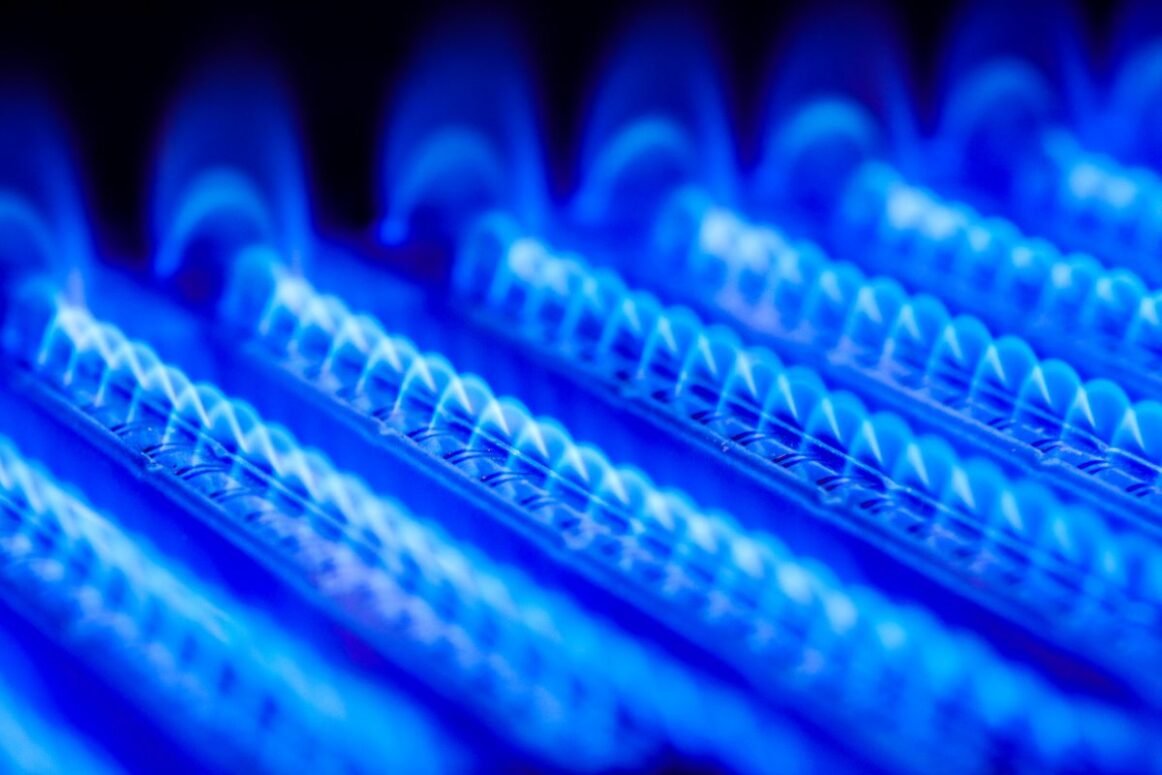
4. Ignitor Is Cracked or Worn Out
Older furnaces use a pilot light, but most newer systems use a hot surface ignitor. If this piece fails, the furnace won’t light.
- Ignitors can crack over time from repeated heating and cooling
- Look for visible cracks or test continuity with a multimeter
- Replacement is typically straightforward for a technician
It’s not recommended to handle ignitor replacement yourself, as they’re fragile and easy to damage during installation.
5. Air Filter Is Clogged
A severely clogged filter restricts airflow, which can cause the heat exchanger to overheat. When this happens, the furnace may go into safety lockout and refuse to ignite until the problem is resolved.
- Check your air filter and replace it if it’s visibly dirty
- Filters should generally be replaced every 1–3 months, especially during high-use seasons
- Ensure return vents aren’t blocked by furniture or drapes
Restricted airflow affects both performance and safety, making this one of the easiest and most important fixes.
6. Furnace Lockout Mode
If your system has attempted ignition multiple times and failed, it may go into “lockout mode” to protect itself.
- Some systems will reset automatically after an hour
- Others require a manual reset by flipping the furnace power switch off, waiting 30 seconds, and turning it back on
- If the system returns to lockout after reset, it’s time for a technician
Repeated lockouts often indicate a deeper issue like a bad ignitor, sensor, or control board fault.
7. Faulty Control Board or Wiring Issues
The control board manages every phase of furnace operation, from blower timing to ignition sequencing. If it malfunctions, your system may not ignite.
- Check for blinking error codes on the circuit board (usually visible through a small window)
- A solid red light often indicates failure, while blinking lights may match a diagnostic code
- Wiring connections can also work loose or corrode, especially in older systems
Repairs at this level should always be handled by a licensed HVAC technician.
What to Do Before Calling for Service
Before you schedule a repair visit, there are a few steps you can take to rule out simple causes.
- Inspect the Thermostat: Double-check the settings and replace batteries if necessary. Try turning the temperature several degrees higher to trigger ignition.
- Reset the Furnace: Turn off the furnace switch or breaker for 30 seconds, then restore power. This can clear some soft lockout conditions.
- Replace the Air Filter: A new filter can sometimes resolve airflow issues immediately and restore proper function.
- Listen for Clues: Clicking sounds without ignition could point to a sensor or ignitor issue. Silence might indicate a power or control problem.
- Look for Error Codes: Most modern furnaces flash diagnostic codes when there’s a failure. These can help technicians pinpoint the issue faster.
If you’ve tried these steps and your gas furnace still won’t ignite, it’s time to bring in a pro.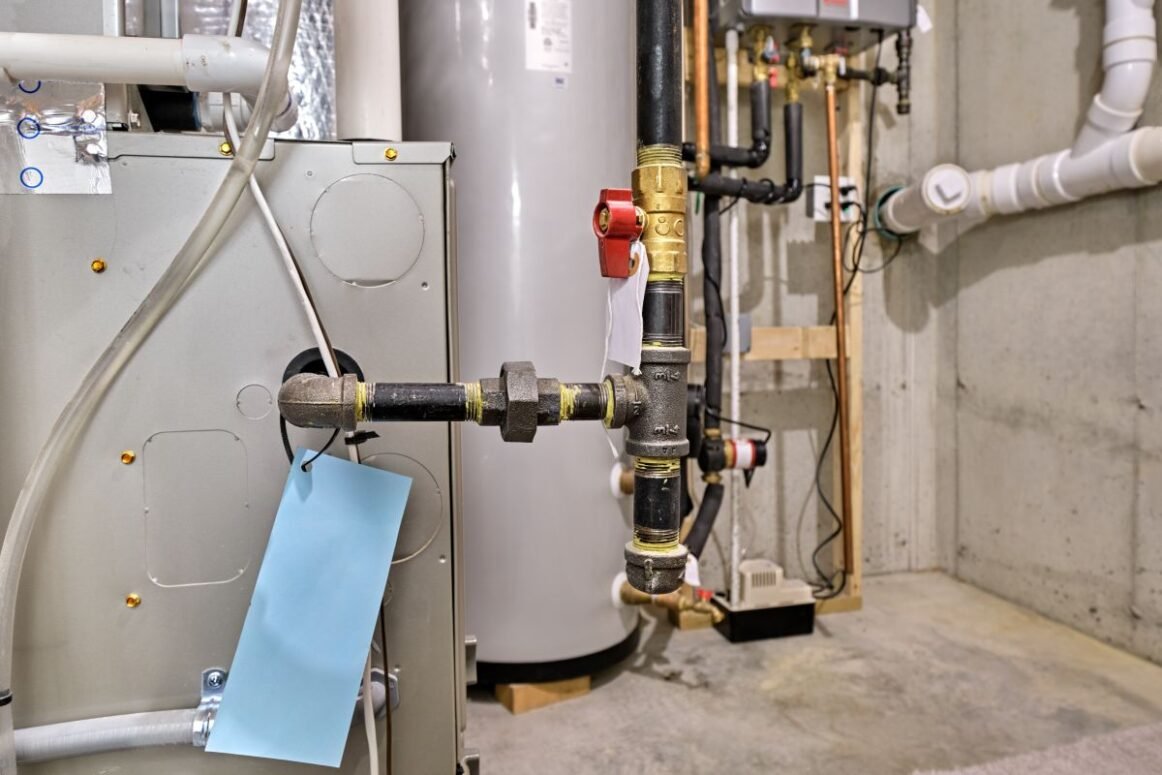
When Repair Isn’t the Best Option
Sometimes, a non-igniting furnace is a symptom of a system that’s simply reached the end of its lifespan. Here’s when replacement may be the smarter move:
Age of the Furnace
If your furnace is 15–20 years old, ignition failures may be the first of many upcoming issues.
Frequent Breakdowns
Repeated service calls in Woodstock and surrounding areas add up quickly. If ignition failure is just the latest in a list of problems, it may be more cost-effective to upgrade.
Energy Efficiency Concerns
Older systems lack the efficiency ratings of today’s models, which means higher monthly bills for less reliable performance.
Inconsistent Heating
Uneven temperatures or long warm-up times may suggest deeper performance issues that go beyond a single component failure.
A trained technician can evaluate whether repair or replacement is the better path for your home and budget.
Don’t Let an Ignition Problem Leave You in the Cold
If your furnace isn’t lighting and your home in Woodstock and surrounding areas is getting colder by the hour, don’t wait to get help. While some problems have simple fixes, others can pose safety hazards or lead to larger system damage if left unresolved. Whether you need a professional cleaning, a part replacement, or a full system evaluation, the experts at Russell Heating & Air are ready to help. For fast, friendly, and reliable heating service, contact us today and let Russell Heating & Air restore comfort to your home.