
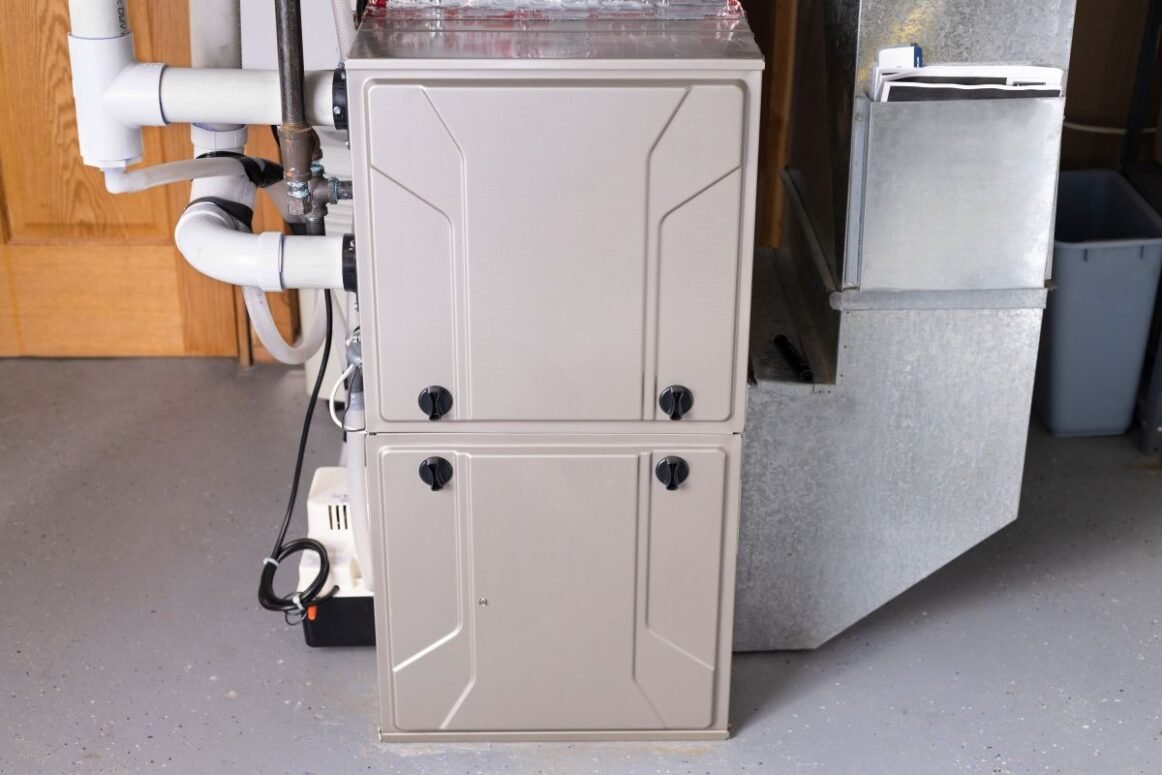
When the weather cools down in Canton and surrounding areas, a reliable furnace isn’t just a luxury—it’s essential. Whether you’re replacing an aging system or choosing heating for a new build, understanding the types of furnaces available can help you make a smarter investment. Each type has its own pros, cons, and ideal use cases. The right choice depends on your home’s size, your budget, your energy preferences, and even your long-term maintenance expectations. If you’re not sure what suits your space, our team is always available to guide you through your options, especially if you’re already exploring how to stay comfortable during the colder months with help from our heating solutions.
Here’s what you’ll learn in this guide:
- What makes different furnace types unique
- Key benefits of each option
- How to compare gas, electric, and other heating methods
- Tips to make your furnace more efficient and cost-effective

Why Furnace Type Really Matters for Homeowners
Not all heating systems are created equal. Choosing the wrong furnace can lead to higher energy bills, underwhelming comfort, or even costly repairs. Understanding the type of furnace that best fits your home can help you avoid headaches and maximize performance.
- Lower Energy Costs: High-efficiency systems use less fuel and reduce monthly utility bills.
- Tailored Comfort: The right furnace size and fuel source ensures even, consistent heating.
- Installation Compatibility: Some furnace types work better with specific home layouts or existing ductwork.
- Fewer Repairs: When your furnace suits your home and climate, it runs smoother and needs fewer service calls.
- Better Air Quality: Modern furnaces offer options for cleaner combustion and improved filtration.
5 Types of Furnaces and How They Work
Each furnace type comes with its own set of strengths and potential drawbacks. Here’s a breakdown of the most common furnace types found in homes across Canton and surrounding areas.
1. Gas Furnaces
Gas furnaces are among the most popular options for residential heating. They burn natural gas to produce heat and distribute it via ductwork.
- Efficiency: AFUE ratings can reach up to 98%
- Costs: Moderate upfront cost, but low monthly operating costs where gas is affordable
- Best for: Homes in colder climates with gas line access
Pros:
- Strong, fast heating output
- Long lifespan (15–20 years with maintenance)
- Compatible with smart thermostats and zoning systems
Cons:
- Needs gas line connection
- Requires regular inspections for carbon monoxide safety
2. Electric Furnaces
Electric furnaces use electric heating elements to warm air. These systems are typically smaller, easier to install, and lower in upfront cost.
- Efficiency: 100% efficient (no combustion loss), but electricity costs more than gas
- Costs: Cheaper to install, higher to operate long-term
- Best for: Smaller homes or areas with mild winters and low electricity rates
Pros:
- No risk of gas leaks
- Quieter than combustion systems
- Smaller footprint
Cons:
- Slower to heat large spaces
- Higher energy bills in colder regions

3. Oil Furnaces
Although less common today, oil furnaces still serve homes that lack access to natural gas. They require a separate oil storage tank and regular fuel delivery.
- Efficiency: New models can reach 85–90% AFUE
- Costs: Subject to fluctuating oil prices; higher maintenance needs
- Best for: Rural homes without gas access
Pros:
- High heat output
- Effective in very cold climates
Cons:
- Messier maintenance
- Storage tank and refueling logistics
4. Propane Furnaces
Propane furnaces operate similarly to gas systems but use propane stored in tanks. This makes them viable for areas without municipal gas service.
- Efficiency: Comparable to gas systems, up to 95% AFUE
- Costs: Propane can be pricier depending on the market
- Best for: Homes off the gas grid that still want clean combustion
Pros:
- Strong performance in cold climates
- Cleaner-burning than oil
Cons:
- Requires storage tank refills
- Propane prices can vary widely
5. Dual Fuel (Hybrid) Furnaces
These systems combine a gas furnace with an electric heat pump. The heat pump handles mild temperatures, while the gas furnace kicks in during extreme cold.
- Efficiency: Maximizes efficiency by switching between fuels based on conditions
- Costs: Higher upfront, but potentially lower long-term operating costs
- Best for: Homeowners looking for eco-friendly, flexible solutions
Pros:
- Smart energy use based on outside temperature
- Reduced strain on one system
Cons:
- More complex to install
- Requires both gas and electric service
Key Considerations Before You Choose
Before selecting a furnace, it’s important to think beyond just fuel type. Your home’s layout, climate, and utility setup all play a role in the decision.
Heating Load Requirements
Not all furnaces are sized the same. Choosing the right BTU output for your square footage and insulation level ensures your home stays warm without overworking the unit.
Fuel Availability and Cost
Some homes in Canton and surrounding areas may not have easy access to natural gas. Compare current utility rates and availability before choosing a system.
Installation Infrastructure
Homes with existing ductwork are typically better suited to forced-air furnaces. If you’re building new or upgrading, it may be worth evaluating whether ducts or alternative systems like mini-splits are a better fit.
Budget Planning
Consider not just the initial purchase price but also installation, maintenance, and monthly operating costs over the life of the unit.
Maintenance Demands
Gas and oil systems need more routine inspections for safety. Electric systems generally require less maintenance but can be more expensive to operate long-term.
Tips to Improve Furnace Efficiency and Longevity
Once you’ve chosen the right furnace, there are steps you can take to keep it running efficiently for years to come.
- Change Filters Regularly: A clogged filter restricts airflow and forces the system to work harder.
- Install a Programmable Thermostat: Smart temperature control helps reduce waste and improve comfort.
- Schedule Annual Inspections: Professional checkups can catch minor issues before they become major breakdowns.
- Seal Ductwork: Leaky ducts can waste 20–30% of heated air. Sealing them keeps heat where it belongs.
- Keep Vents Unobstructed: Make sure furniture or curtains aren’t blocking vents or returns.
Comparing Fuel Types: Which Is Right for You?
Choosing the best furnace often comes down to the fuel source that aligns with your budget, location, and comfort preferences. Here’s a quick side-by-side comparison:
| Feature | Gas | Electric | Oil | Propane | Dual Fuel |
| Efficiency Range | 80–98% AFUE | 100% | 85–90% | 90–95% | 95%+ |
| Upfront Cost | Moderate | Low | Moderate | Moderate | High |
| Operating Cost | Low | High | Moderate–High | Variable | Low |
| Maintenance Needs | Medium | Low | High | Medium | Medium |
| Best For | Most homes | Mild climates | Off-grid homes | Rural areas | Eco-conscious |
Ready to Upgrade Your Comfort?
Whether you’re upgrading an older unit or exploring the right heating setup for a new home in Canton and surrounding areas, choosing the right furnace is one of the most important decisions you’ll make as a homeowner. It affects your comfort, your energy bills, and how smoothly your home runs during cold months. If you’re unsure which option is best, the pros at Russell Heating & Air are here to help. From system selection to professional installation, we take care of every step. For expert advice and dependable service, contact us today and let Russell Heating & Air keep your home warm all season long.