
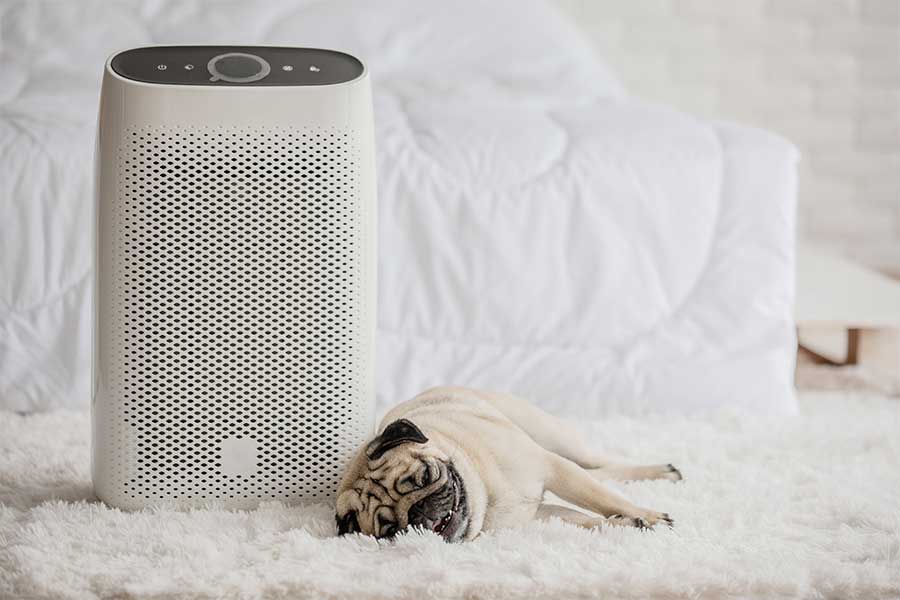
Milton, GA, sits in one of the more challenging regions of the Southeast for allergy sufferers. The tree canopy throughout the city’s horse country estates and the wooded corridors along Birmingham Highway contribute to some of the highest seasonal pollen counts in the Atlanta metro area. When you add the humidity that builds through June, July, and August, which accelerates mold spore production and dust mite activity, the indoor air quality picture becomes genuinely complex for many Milton households.
What many homeowners discover is that closing windows to escape the outdoor heat actually concentrates allergens inside rather than keeping them out. Without a strategy for filtering and circulating indoor air, the home can become as problematic as the outdoors during peak season. Our air quality services are designed to address exactly this challenge, and the guidance below reflects what we consistently see working in Milton homes throughout the summer months.
Understanding Summer Allergens in Milton, GA
The allergen calendar in Milton does not follow a simple pattern. Spring tree pollen gives way to grass pollen in early summer, followed by weed pollen that can persist well into fall. Meanwhile, the warm, humid conditions that define Milton summers create a secondary wave of indoor allergens that many homeowners do not initially connect to their symptoms.
The primary summer allergen sources affecting Milton households include:
- Tree and grass pollen: Carried into the home on clothing, pets, and through HVAC air intake, pollen particles are small enough to remain suspended in indoor air for extended periods
- Mold spores: Milton’s humidity levels and wooded surroundings create favorable conditions for outdoor mold, which easily enters homes through doors, windows, and duct systems
- Dust mites: These thrive in warm, humid environments and concentrate in bedding, upholstered furniture, and carpeting throughout the summer
- Pet dander: A year-round concern that worsens during summer, when pets shed more heavily, and windows stay closed, reducing natural dilution from outdoor air.
Understanding what you are actually dealing with matters because different allergen types respond differently to filtration strategies. A solution well-suited for pollen may need to be paired with humidity control to address mold and dust mites meaningfully.
How Air Purifiers Work to Eliminate Allergens
Air purifiers remove contaminants from indoor air by drawing room air through one or more filtration or treatment stages before returning cleaned air to the space. The technology varies by model and price point, but the core mechanisms that address allergens most effectively are well established.
The primary filtration approaches and what they target:
- HEPA filtration: High-Efficiency Particulate Air filters capture 99.97 percent of particles at 0.3 microns and larger, which includes pollen, dust mite debris, mold spores, and pet dander. For allergen reduction, HEPA filtration is the most important feature to look for
- Activated carbon filtration: Carbon filters adsorb odors, volatile organic compounds, and chemical vapors. They do not directly capture particulate allergens, but improve overall air quality by removing gaseous pollutants that often accompany allergen exposure.
- UV light technology: Some units incorporate ultraviolet light to neutralize bacteria, viruses, and mold spores that pass through the filtration stage, providing an additional layer of biological protection
- Air circulation: Beyond filtration, effective air purifiers move enough air volume to cycle the room’s air multiple times per hour, preventing allergen accumulation between filtration passes
The interaction between an air purifier and your HVAC system also matters. A well-maintained central system distributes filtered air throughout the home, while a portable purifier purifies the air in a specific room. In many Milton homes, a combination approach that includes a whole-home air purifier integrated with the HVAC system delivers the most comprehensive coverage.
Key Benefits of Using Air Purifiers in Your Home
The case for air purification in a Milton home extends beyond allergy symptom relief, though that benefit alone is significant for households with sensitive occupants. The broader picture includes several practical advantages that affect both comfort and home systems.
Benefits that Milton homeowners consistently experience:
- Reduced allergen load: Continuous filtration removes the pollen, mold spores, and dander that accumulate in indoor air, lowering the overall exposure burden on household members throughout the day and night
- Improved respiratory comfort: Cleaner air makes a measurable difference for anyone with asthma, seasonal allergies, or general respiratory sensitivity, and the effect is often most noticeable during sleep
- Odor and pollutant reduction: Activated carbon filtration addresses cooking odors, pet smells, and off-gassing from household materials, contributing to a fresher indoor environment overall
- Reduced dust accumulation on HVAC components: Filtering airborne particulates before they reach the HVAC system reduces dust buildup on coils, blower components, and ductwork, supporting system efficiency and reducing maintenance demands
- Extended HVAC system life: A cleaner air stream means less particulate stress on mechanical components, which contributes to longer equipment service life over time
The connection between air purification and HVAC system health is worth emphasizing. In our service work across Milton and the surrounding North Fulton communities, systems in homes with active air quality management consistently show less coil fouling and fewer airflow-related issues than those without it.
Choosing the Right Air Purifier for Your Needs
Selecting an air purifier that actually addresses your household’s allergen concerns requires matching the equipment’s capabilities to the size of the space, the specific allergens present, and the way the home is used. A unit that performs well in a small bedroom will not meaningfully improve air quality in an open-plan living area.
Key specifications to evaluate:
- Filter type: HEPA filtration is essential for allergen capture. Verify the filter meets true HEPA standards rather than marketing language like “HEPA-style” or “HEPA-like,” which do not guarantee the same particle capture rate.
- Clean Air Delivery Rate (CADR): This standardized rating indicates how quickly the purifier filters a given volume of air. Match the CADR to the square footage of the space where the unit will operate.
- Activated carbon inclusion: For households concerned with odors, chemical sensitivities, or VOC exposure, a combined HEPA and activated carbon unit addresses a broader range of indoor air quality concerns
- Noise output: Units intended for bedroom use should operate quietly enough not to disrupt sleep, particularly at the higher fan speeds needed for effective allergen removal
- Filter replacement access and cost: Ongoing filter replacement is a genuine operational cost. Factor in both the availability and cost of replacement filters when comparing models
For whole-home allergen management, a conversation with an HVAC professional about integrated air quality solutions is worth having. Whole-home systems installed within the HVAC ductwork treat all circulated air rather than just a single room, a meaningful difference on a larger Milton property.
Maintaining Your Air Purifier for Optimal Performance
An air purifier that has not received proper maintenance delivers diminishing returns over time. Clogged filters restrict airflow, reduce particle capture efficiency, and in some cases can re-release trapped contaminants back into the air. Consistent maintenance is what keeps the equipment performing at the level it was designed to deliver.
A practical maintenance approach for Milton households:
- Filter inspection and replacement: Check filters every 1 to 3 months during heavy-use periods, such as summer. Most HEPA filters need to be replaced every 6 to 12 months, though households with pets or high pollen exposure may need more frequent changes.
- Pre-filter cleaning: Many units include a washable pre-filter that captures larger particles before they reach the HEPA filter. Regular cleaning extends the life of the more expensive HEPA element.
- Exterior cleaning: Dust accumulation on the exterior housing and intake vents can restrict airflow. Periodic wipe-downs with a damp cloth maintain proper air circulation in the unit.
- Performance monitoring: Reduced airflow, unusual sounds, or persistent odors after filter changes indicate that a professional evaluation may be needed
- Strategic placement: Position units away from walls and obstructions to allow unrestricted air intake and output, and place them in the rooms where occupants spend the most time
Pairing air purifier maintenance with your regular HVAC service schedule creates a consistent rhythm that keeps both systems performing optimally through Milton’s demanding summer season.
Protecting Indoor Air Quality in Milton This Summer
Summer allergen management in Milton requires a proactive approach rather than a reactive one. By the time symptoms are affecting daily comfort, the indoor allergen load has typically been building for weeks. Air purifiers, properly selected and consistently maintained, interrupt that buildup and keep indoor air quality at a level that genuinely supports health and comfort through the season.
At Russell Heating & AC Repair, we help Milton homeowners evaluate their indoor air quality needs and identify solutions tailored to their homes and specific concerns. Whether you are considering a portable unit, a whole-home air purification system, or want a professional assessment of what is actually affecting your indoor air, contact our team today and let us help you breathe easier this summer.