
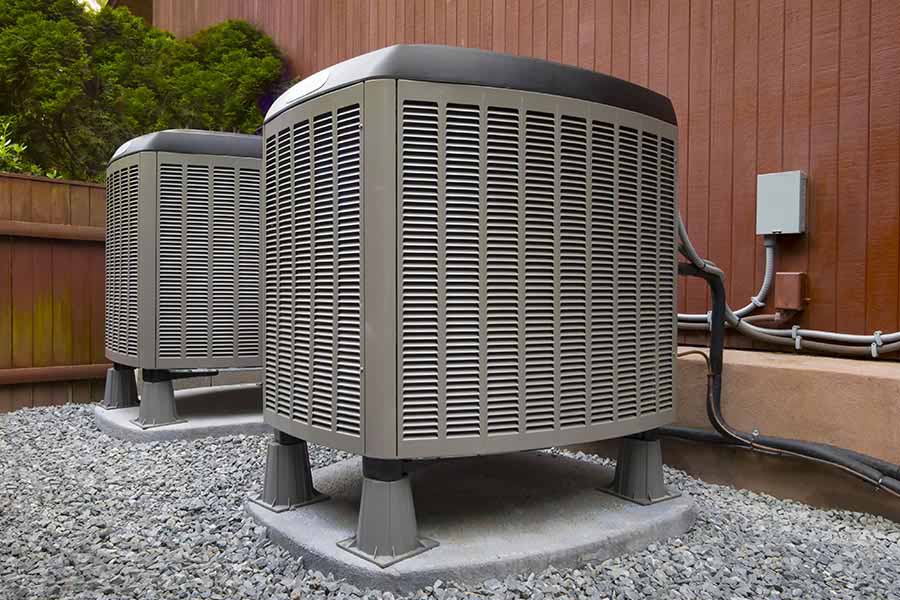
A heat pump pushing cold air through the vents on a January morning is one of the most common calls we take. Homeowners near the downtown square, out along Highway 20, and up through the Hickory Flat and Sixes Road corridors all run into the same situation once temperatures drop into the twenties overnight.
The good news is that cold air does not automatically mean the system has failed. It usually points to something specific happening inside the equipment, at the thermostat, or out at the outdoor unit. Below, we walk through what actually causes it, how North Georgia weather plays a role, what warning signs deserve attention, and how our technicians approach the diagnosis when we arrive at your home.
Common Reasons Your Heat Pump Blows Cold Air
In our service calls across Cherokee County, a handful of issues account for the vast majority of cold air complaints. Understanding them helps you describe the problem accurately when you reach out for professional heat pump service.
- Restricted airflow: A loaded air filter chokes the amount of air moving across the indoor coil. The system still runs, but the air reaching your rooms feels weak and cool rather than warm.
- Thermostat configuration: A thermostat left in cooling mode, set to fan-on instead of auto, or mismatched to the equipment after a replacement will deliver unheated air even when the system appears to be working.
- Low refrigerant charge: Refrigerant is not consumed the way fuel is. When levels are low, there is a leak somewhere in the system, and the heat pump loses its ability to move heat indoors. This requires licensed diagnosis and repair, not a top-off.
- Reversing valve trouble: This component is what allows a heat pump to switch between heating and cooling. When it sticks or fails, the system stays locked in cooling mode and blows cold air no matter what the thermostat says.
- Obstructed outdoor unit: Leaf litter, pine straw, and ice packed around the outdoor coil block the heat transfer the system depends on.
We also see a fair number of cases where nothing is broken at all. Heat pumps naturally deliver air that is warm but not hot, often in the 90 to 100 degree range, which can feel cool against your skin at 98.6 degrees. Homeowners moving into the area from regions that rely on gas furnaces are frequently surprised by that difference.
How North Georgia Winters Affect Heat Pump Performance
A heat pump does not create heat. It moves heat from the outdoor air into your home. That process works well through most of the season here, but it changes noticeably when conditions shift.
When the temperature falls below roughly 35 degrees, moisture in the air freezes on the outdoor coil and the system enters a defrost cycle. During defrost, the heat pump temporarily reverses itself to melt that frost, and the air coming from your vents genuinely does turn cool for several minutes. Auxiliary or emergency heat is designed to carry the load during those windows. If your heat strips or backup furnace are not engaging properly, that short cold spell stretches into a long one.
A few conditions specific to our region make this more noticeable:
- Damp cold snaps: Winters here bring humidity along with the cold. Moist air produces heavier frost accumulation on outdoor coils than a dry climate would, which means more frequent defrost cycles.
- Exposed installations: Homes on the ridgelines above the Etowah River and on open lots off Univeter Road catch more wind. Wind chill across an outdoor coil pulls heat away faster and forces the compressor to work longer for the same result.
- Wide overnight swings: Local temperatures regularly move from the low twenties before sunrise into the fifties by afternoon. Systems that are undersized or aging tend to show their weaknesses during that morning window.
- Shaded north-facing units: Outdoor units tucked against a north wall or under heavy tree cover stay colder longer and shed frost more slowly.
Based on what we see in area properties, a well-matched and properly maintained heat pump handles all of this without the homeowner ever noticing. When these conditions start producing complaints, the equipment is telling you something about its condition.
Signs Your Heat Pump Needs Professional Attention
Cold air is rarely the only symptom. Once a heat pump starts underperforming, other indicators tend to show up alongside it, and they are worth taking seriously before a mid-winter breakdown.
- Grinding, rattling, or screeching: Mechanical noise from the outdoor unit points toward the compressor, fan motor, or loose hardware.
- Burning or musty odors: Smells at startup can indicate electrical problems or biological growth on the coil, neither of which improves with time.
- Short cycling: A system that turns on and off every few minutes is not completing its heating cycle and is putting significant wear on the compressor.
- Climbing energy bills: A month-over-month jump that outpaces the weather usually means the system is running longer to accomplish less.
- Persistent ice on the outdoor unit: Frost that clears during a defrost cycle is normal. A solid sheet of ice that never disappears is not.
- Rooms that never reach the setpoint: When the thermostat calls for 70 and the house holds at 64, the system is falling behind its capacity.
Any one of these on its own is worth monitoring. Two or more appearing together generally means it is time for professional heating repair before the problem cascades into a compressor failure.
What Our Technicians Evaluate During a Heat Pump Diagnostic
Homeowners often ask what actually happens during a service visit. Heat pump diagnostics involve electrical testing, pressure readings, and component-level inspection that require proper tools and training, so this is not work we recommend anyone attempt on their own. Here is how we approach it.
- Confirm the call for heat. We verify thermostat programming, staging, and wiring to make sure the equipment is receiving the correct signal in the first place.
- Measure airflow and static pressure. Filter condition, coil cleanliness, and duct restrictions all show up here, and airflow problems mimic mechanical failures more often than most people expect.
- Check refrigerant pressures and superheat. These readings tell us whether the charge is correct and whether the system can move heat at the rate it was designed for.
- Test the reversing valve and defrost board. We confirm the system can switch modes on command and that the defrost cycle is initiating and terminating correctly.
- Inspect electrical components. Capacitors, contactors, and motor amperage draw reveal wear that has not yet caused a complete failure.
- Verify auxiliary heat operation. We confirm the backup heat source engages when it should, which is what keeps your home comfortable during defrost and deep cold.
That full picture is what separates a targeted repair from a guess. It is also why we build these same checks into our seasonal heat pump maintenance visits, where we catch developing issues in October rather than diagnosing them during the first hard freeze.
Deciding Whether to Repair or Replace
Once the diagnosis is complete, the question shifts from what is wrong to what makes sense. We help homeowners think through it using a few practical measures rather than a rigid rule.
Consider the age of the equipment first. Most residential heat pump systems deliver 12 to 15 years of reliable service in our climate. A system under eight years old with a failed capacitor or defrost board is almost always worth repairing. A fifteen-year-old unit facing compressor replacement rarely is.
Then weigh the pattern. A single repair on an otherwise steady system is normal ownership. Three service calls in two winters is the equipment telling you something about the life it has left.
Finally, factor in what the system costs you between repairs. Rising bills, uneven temperatures between floors, and a unit that runs almost continuously all represent real money that a repair may not recover. When those factors line up, replacement often costs less over five years than keeping the existing equipment alive.
We give you the readings and the reasoning, then let you make the call. Honest recommendations matter more to us than the size of the invoice.
Staying Warm Through the Coldest Weeks of the Year
A heat pump blowing cold air is a solvable problem, and in most cases it is a smaller one than homeowners fear. What matters is catching the cause early, before a minor airflow restriction or a weak capacitor turns into a compressor replacement during the coldest stretch of winter.
At Russell Heating & AC Repair, our technicians work in local homes every day, and we know how these systems behave when North Georgia weather turns. If your heat pump is not delivering the warmth it should, contact our team today and we will get it properly diagnosed and back to keeping your home comfortable.